Mallard
Anas platyrhynchos


About the Mallard
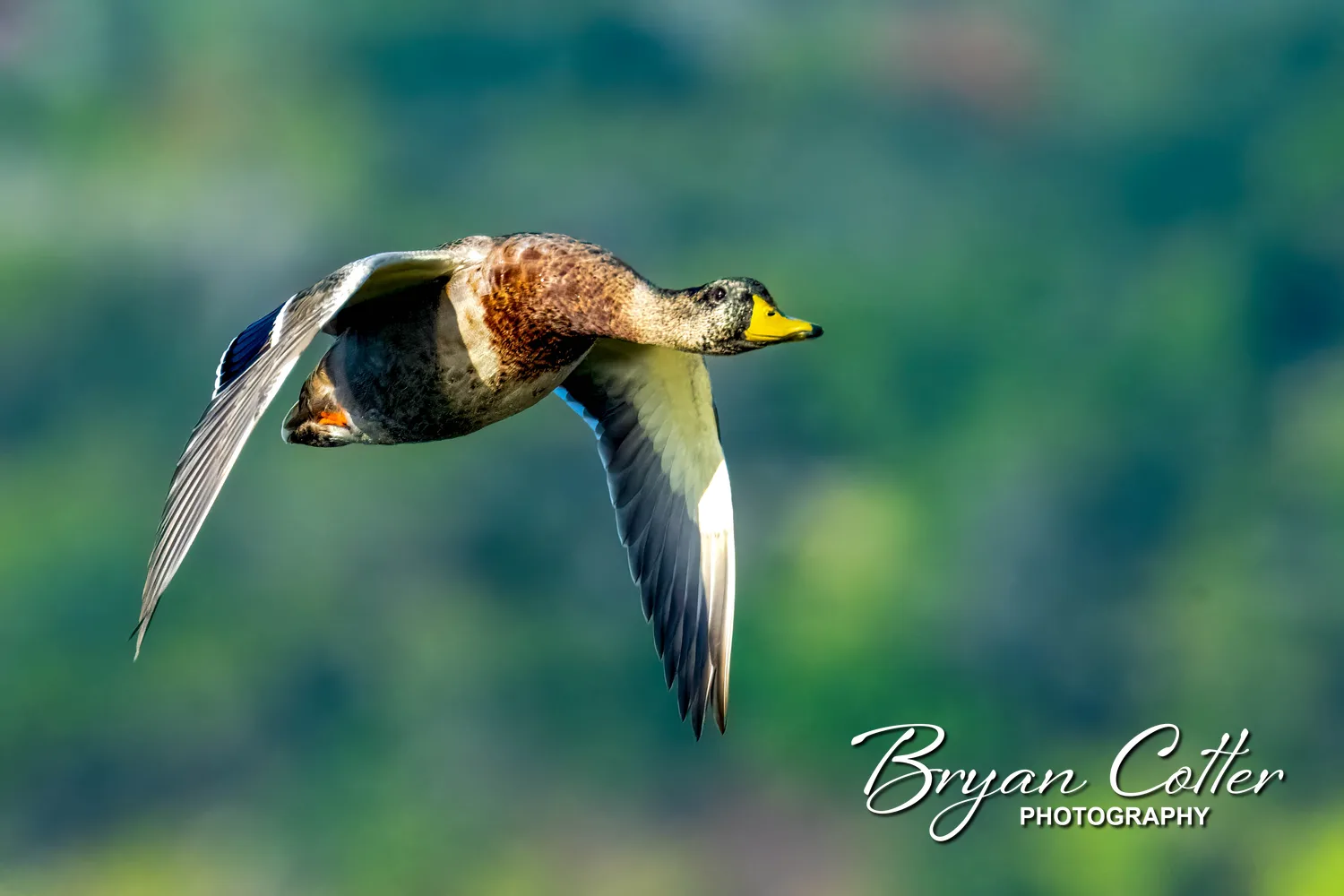
The most familiar duck in the world, the Mallard is the ancestor of nearly all domestic ducks and a template for what most people picture as a duck. The drake is unmistakable with his glossy green head, yellow bill, narrow white collar, chestnut breast, and gray body ending in a curl of black tail feathers; the female is mottled warm brown with an orange-and-black bill. Both flash a blue speculum edged in white.
Mallards are dabblers, tipping up in the shallows to feed on seeds, aquatic plants, and invertebrates, and they adapt readily to city ponds and park lakes as well as wild wetlands.
In Texas the Mallard is a common winter visitor and local breeder, found on lakes, ponds, marshes, and quiet rivers across the state, and often tame on urban waters.
A note from behind the lens: their abundance and tameness make them fine practice for waterfowl work. Get to water level for an intimate angle, watch for wing-flaps and head-shakes, and let early or late light bring out the green sheen on a drake's head.
Join one of my guided birding tours! Fine art prints of my photos are also available.
© 2026 Bryan Cotter Photography privacy policy terms of use site by cotter designs