Fulvous Whistling-Duck
Dendrocygna bicolor
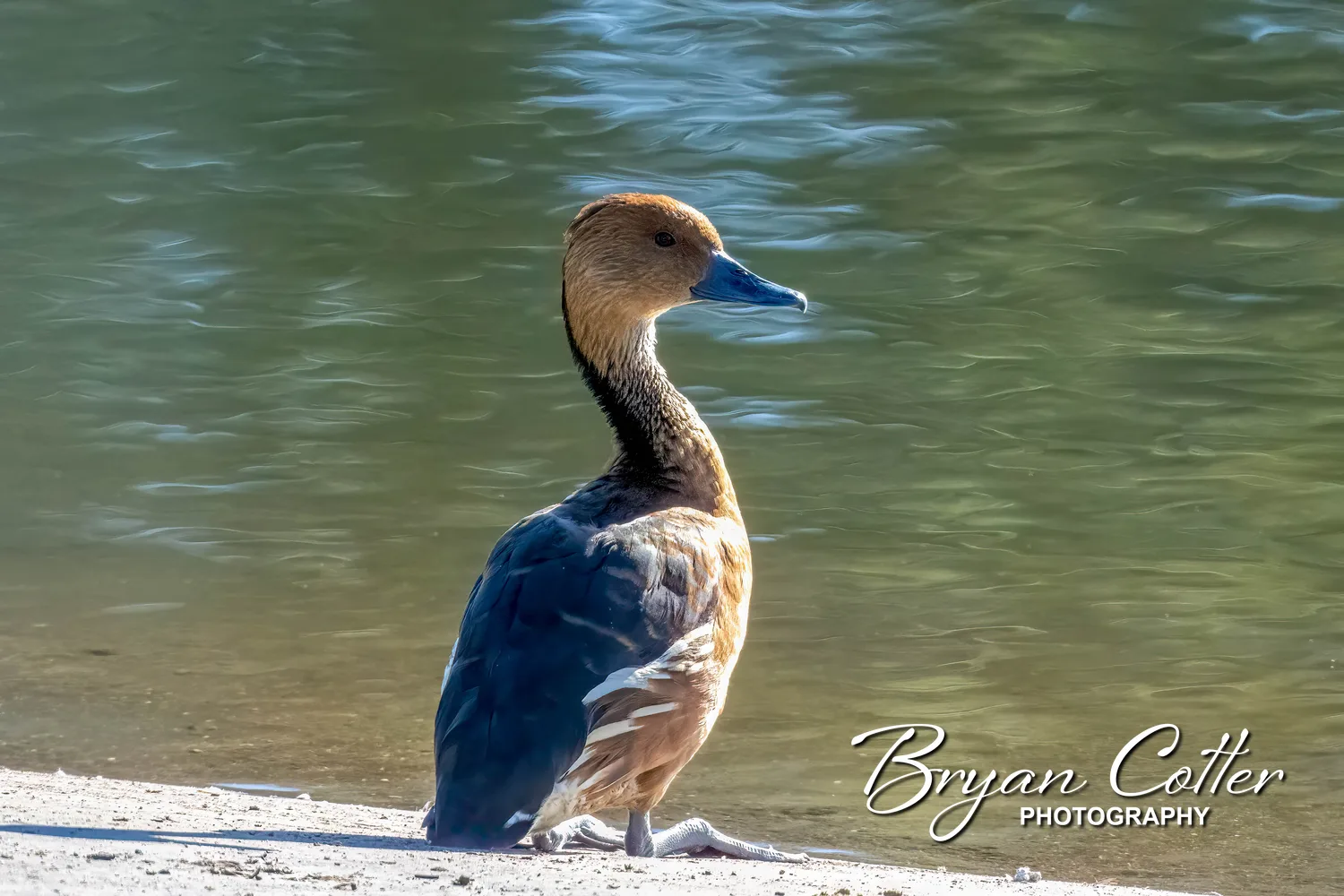
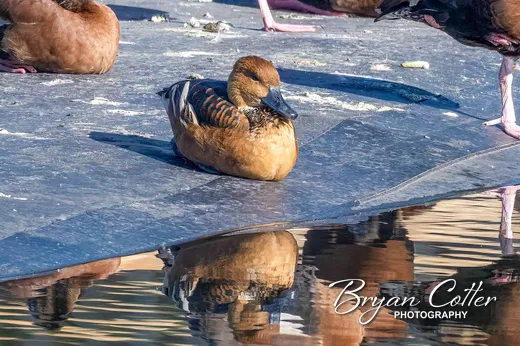
About the Fulvous Whistling-Duck
The Fulvous Whistling-Duck is a long-legged, long-necked duck with a warm tawny-cinnamon head and underparts, a dark back scalloped with rusty edges, and a line of creamy white plumes along the flanks. In flight it shows dark wings, a black tail, and a bright white band across the base of the tail. Its thin, whistled call, a squeaky "pi-teew," gives the group its name.
Whistling-ducks are more closely related to geese and swans than to typical ducks. Pairs mate for the long term and share the work of raising young, and the species often nests right in rice fields or dense marsh vegetation. Fulvous Whistling-Ducks feed mostly at night, dabbling and diving for seeds and plant material, and they spend the day loafing in flocks.
The species occurs on several continents. In Texas it is found mainly along the upper and central coast, especially in rice country, from spring through fall. Away from the coast it is uncommon to rare, and in Central Texas it is a notable find, especially in winter.
These photos are a good example of that: two birds found at the Arbor Trails retention pond in south Austin, Travis County, on January 6, 2024, keeping company with Black-bellied Whistling-Ducks well away from their usual coastal range.
Join one of my guided birding tours! Fine art prints of my photos are also available.
© 2026 Bryan Cotter Photography privacy policy terms of use site by cotter designs