Black-bellied Plover
Pluvialis squatarola


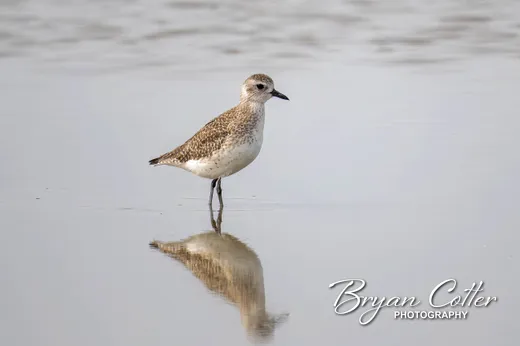
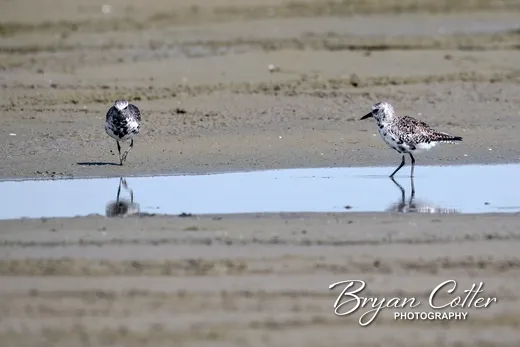
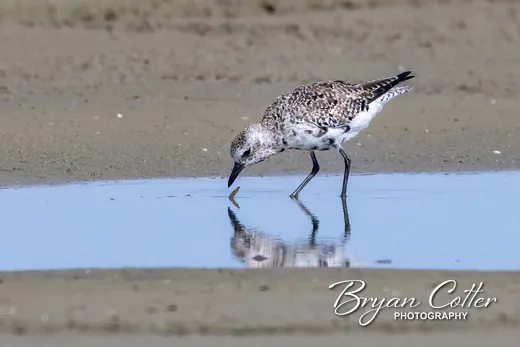
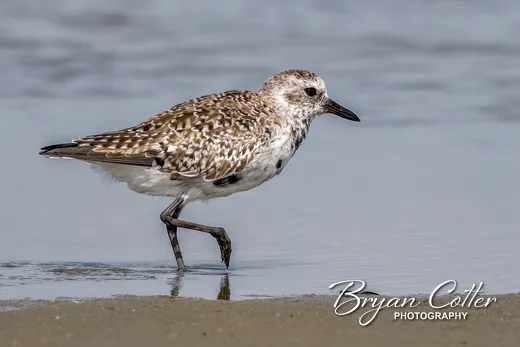
About the Black-bellied Plover
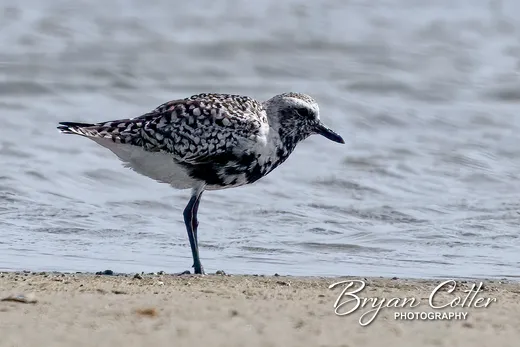
The Black-bellied Plover is the big, watchful sentinel of the tide flats -- the largest plover in North America and usually the first bird on the beach to sound the alarm. In breeding dress it is stunning: jet-black face and belly set against a frosted silver back. Most Texas birds wear the plainer gray winter plumage, but April birds on the coast are often molting into that black-and-silver finery.
They breed on high-Arctic tundra and scatter along coastlines across the entire planet the rest of the year. On the Texas coast they space themselves across the flats, running and stopping in classic plover fashion, tilting forward to pull worms and small crabs from the mud. In flight they flash black "wingpits" that identify them instantly.
The IUCN now lists this species as Vulnerable -- shorebird declines are real and global, and even the wary, widespread species are feeling it. These photos come from Bolivar Flats Shorebird Sanctuary in April 2022, one of the great shorebird spectacles in Texas.
At Bolivar the technique is to sit down on the sand ahead of the feeding line and let the tide push the birds to you. The plovers keep their distance standing up; they forgive you completely once you are low.
Join one of my guided birding tours! Fine art prints of my photos are also available.
© 2026 Bryan Cotter Photography camera gear privacy policy terms of use site by cotter designs