Palm Warbler
Setophaga palmarum
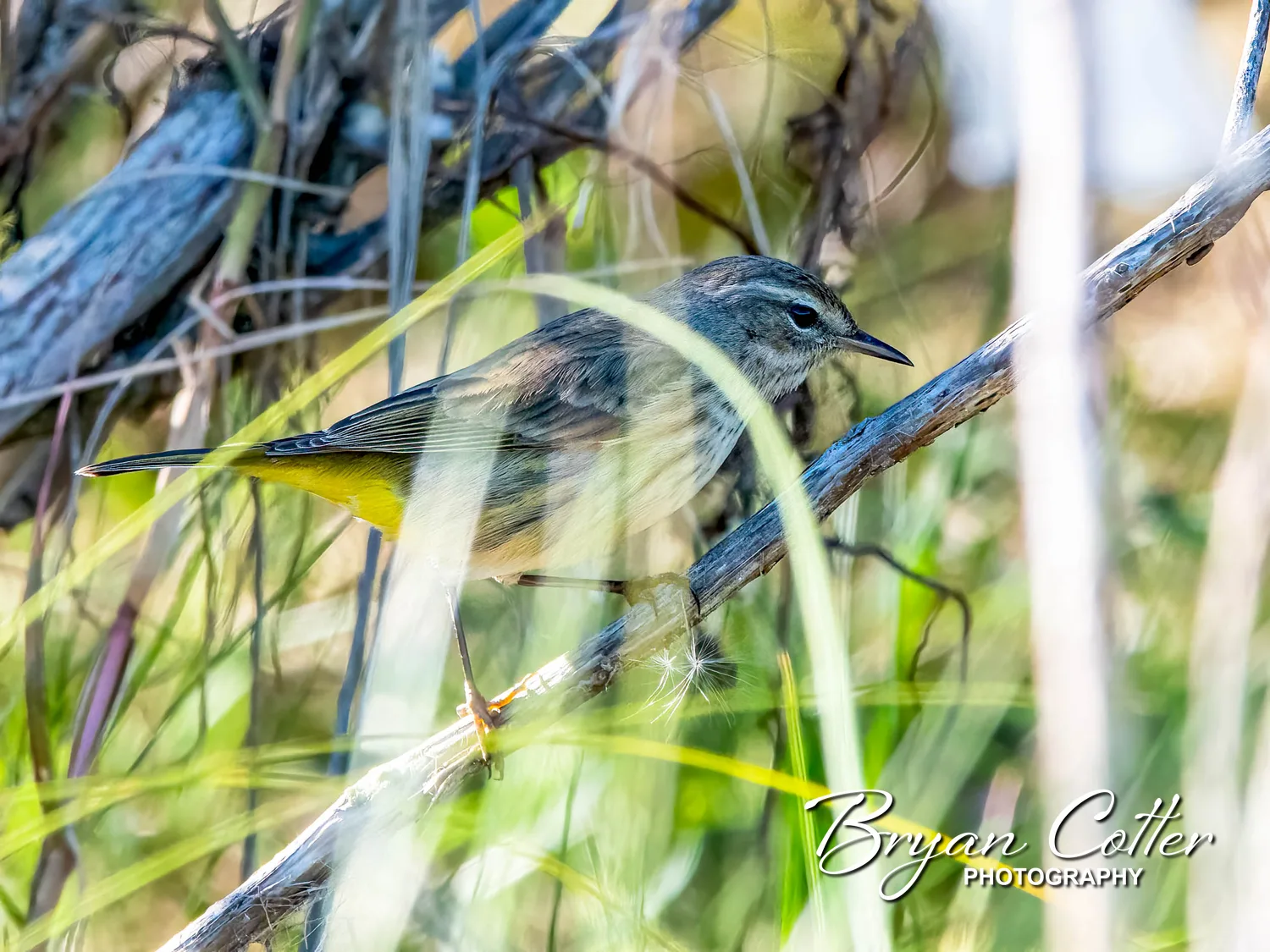
About the Palm Warbler
Forget the name - the Palm Warbler has almost nothing to do with palms. This is a warbler of the ground and low weeds, and the field mark that matters most is behavior: a constant, rhythmic pumping of the tail, as dependable as a heartbeat, that identifies the bird even in silhouette.
In Texas it is a migrant and winter visitor, most regular along the coast, where it works weedy field edges, fence lines, and open scrub - often hopping right on bare dirt like a sparrow rather than flitting through a canopy like its relatives. Fall and winter birds are soft brown with yellow under the tail; spring birds sharpen up with a rusty cap and brighter yellow below.
Palm Warblers breed far to the north, nesting on the ground in the bogs of the boreal forest across Canada. The birds passing through Texas are commuting between spruce bog and Gulf Coast field - two habitats that could hardly look less alike.
Among the wintering sparrows and pipits of a brushy Texas field, that wagging tail is the tell. Once you know it, you can pick out a Palm Warbler about as far away as you can see one.
Join one of my guided birding tours! Fine art prints of my photos are also available.
© 2026 Bryan Cotter Photography camera gear privacy policy terms of use site by cotter designs