Nutria
Myocastor coypus
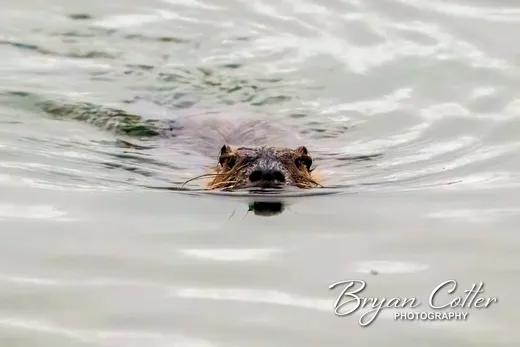
About the Nutria
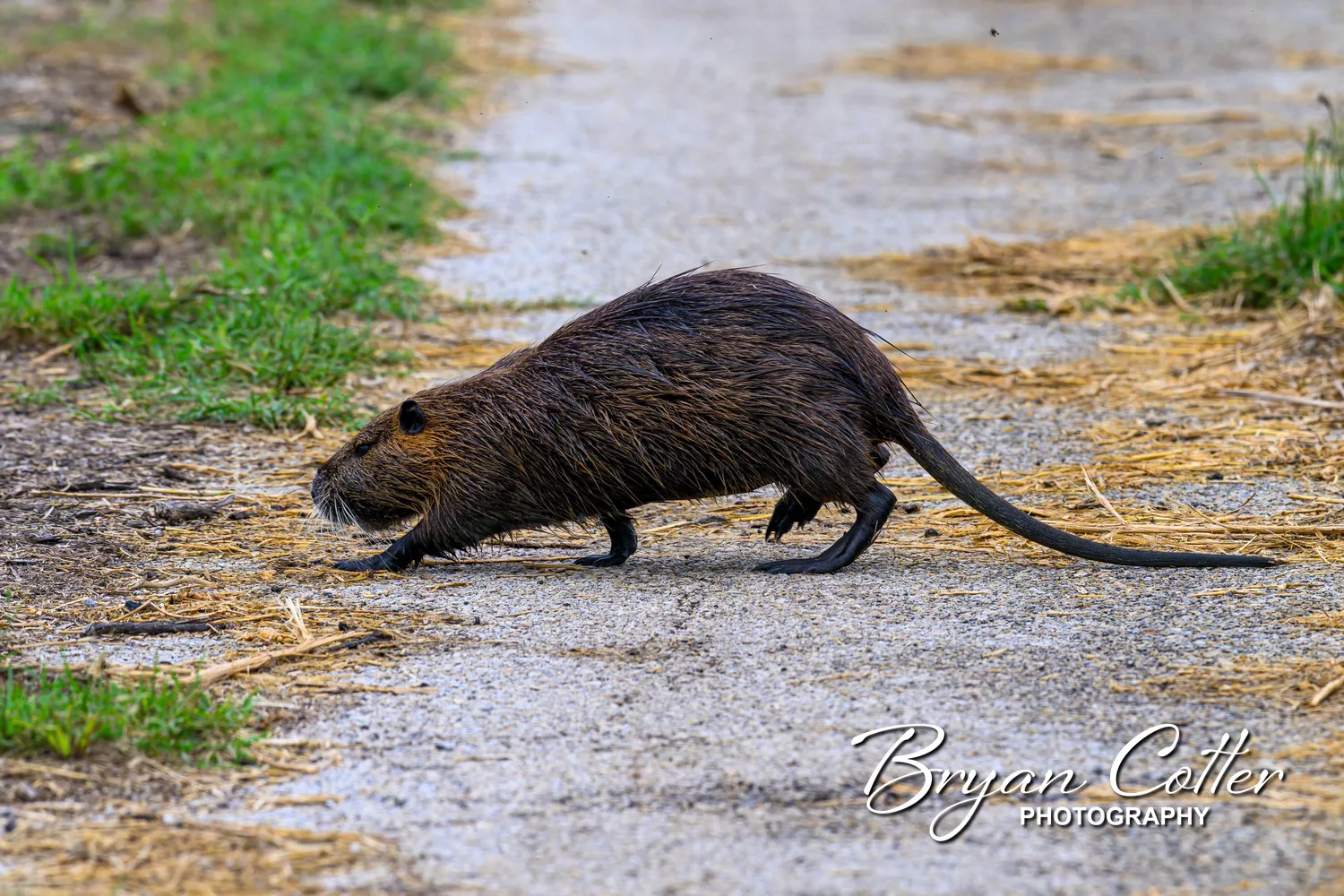
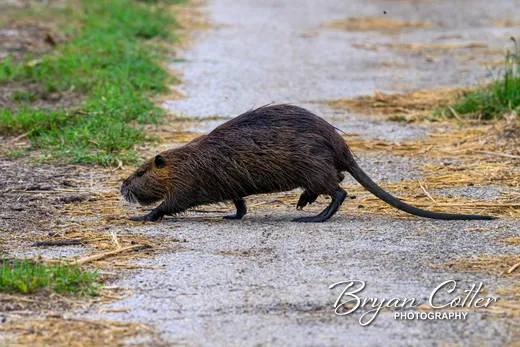
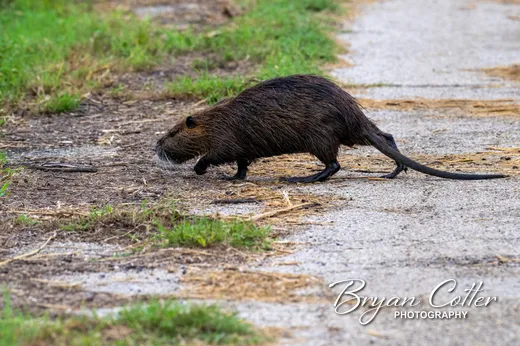
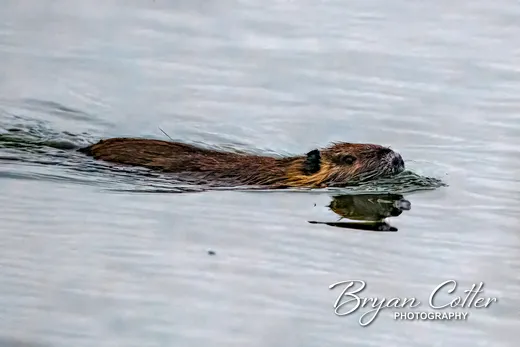
The Nutria is a large, semi-aquatic rodent - picture a beaver-sized animal with a round rat-like tail and bright orange front teeth - that is now a familiar sight on Texas ponds, marshes, and drainage ditches. Watch one swim and you will see the classic profile: head and back just above the waterline, wake trailing behind.
Nutria are not native. They were brought to the Gulf states from South America in the 1930s for fur farming, escaped and were released, and found the coastal wetlands very much to their liking. They are prolific breeders, and in places their appetite for aquatic vegetation - they eat the roots and shoots, not just the leaves - can strip a marsh down to open mud, which is why wildlife agencies treat them as a serious invasive species.
For all that baggage, they are engaging animals to watch: grooming on a bank, ferrying vegetation, or grazing along the water's edge at dawn and dusk with a surprisingly placid, unhurried manner.
Telling them from beavers is easy when the tail shows - round like a rat's rather than flat like a paddle - and from muskrats by sheer size and that white muzzle with the unmistakable orange incisors.
Join one of my guided birding tours! Fine art prints of my photos are also available.
© 2026 Bryan Cotter Photography camera gear privacy policy terms of use site by cotter designs