Monarch Butterfly
Danaus plexippus
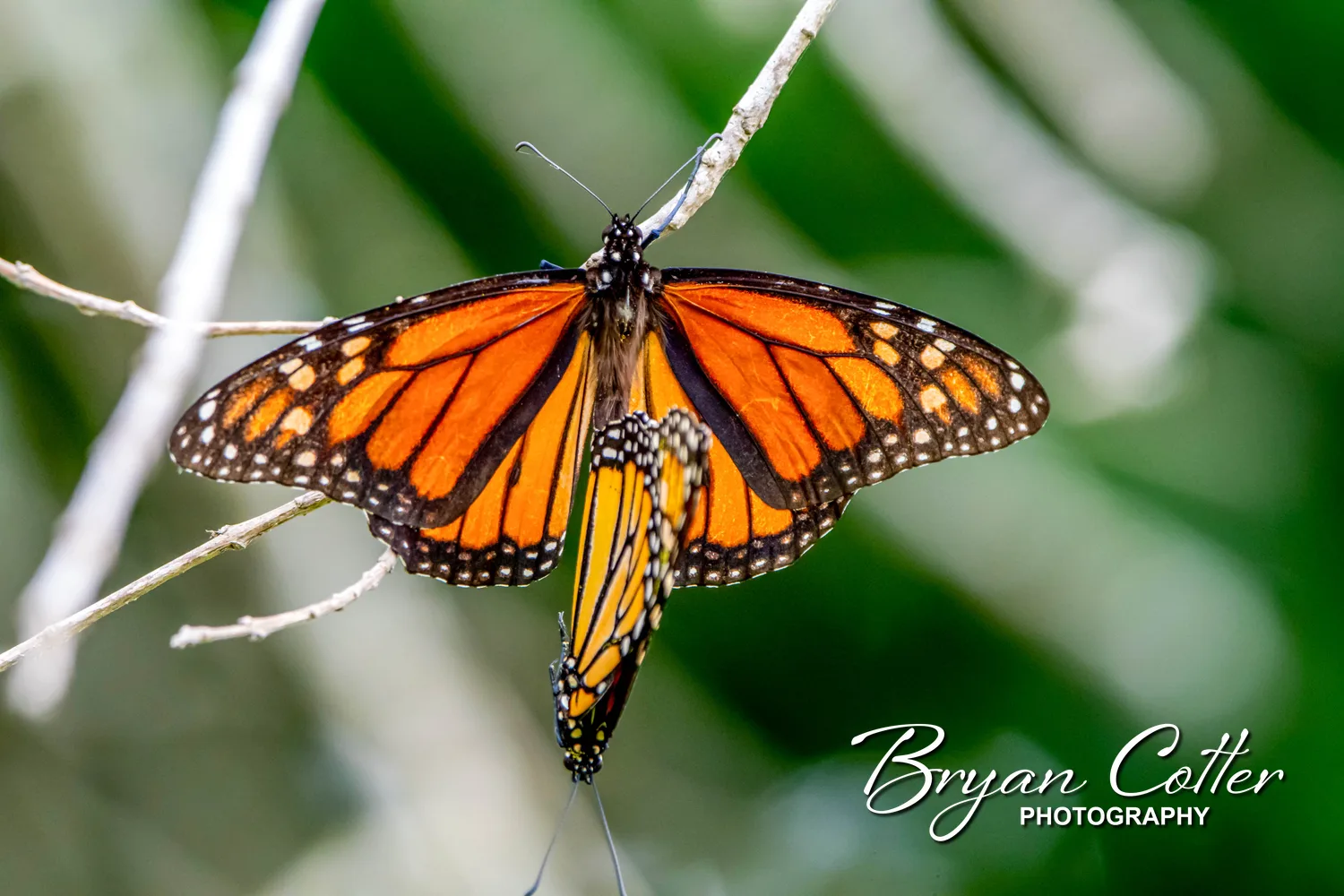
About the Monarch Butterfly
No insect in North America carries a story like the Monarch. Those stained-glass orange wings with bold black veins pass through Texas twice a year on one of the great migrations on Earth - north out of Mexico each spring, and south again in the fall, sometimes by the millions.
Texas sits squarely on the central flyway of the migration, which makes the state critical to the whole show. Spring monarchs arriving from the mountain forests of Michoacan lay their eggs on Texas milkweed, and it is their children and grandchildren that continue north. The fall generation is the remarkable one: a single butterfly that has never been to Mexico navigates a thousand miles or more to the same wintering groves its great-grandparents left.
The milkweed connection is chemical armor. Monarch caterpillars eat nothing else, storing the plant's toxins in their bodies, and the adult's brilliant orange is a warning label that tells birds exactly how bad the meal will taste.
The migratory Monarch is now listed as Vulnerable, with numbers well below historic levels. Planting native milkweed and fall nectar plants is the rare conservation act that anyone with a Texas backyard can actually do.
Join one of my guided birding tours! Fine art prints of my photos are also available.
© 2026 Bryan Cotter Photography camera gear privacy policy terms of use site by cotter designs