Thayer's Gull
Larus glaucoides thayeri
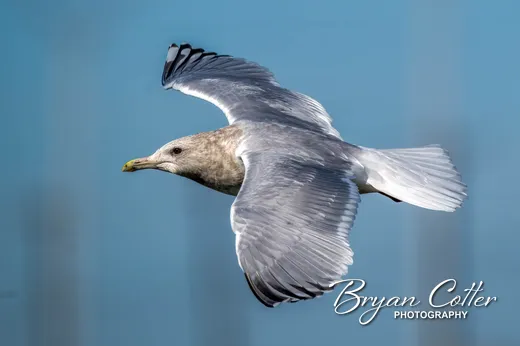
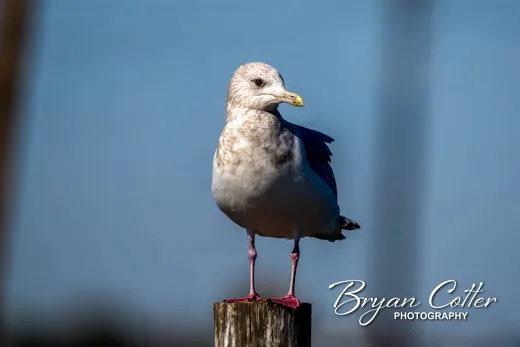
About the Thayer's Gull
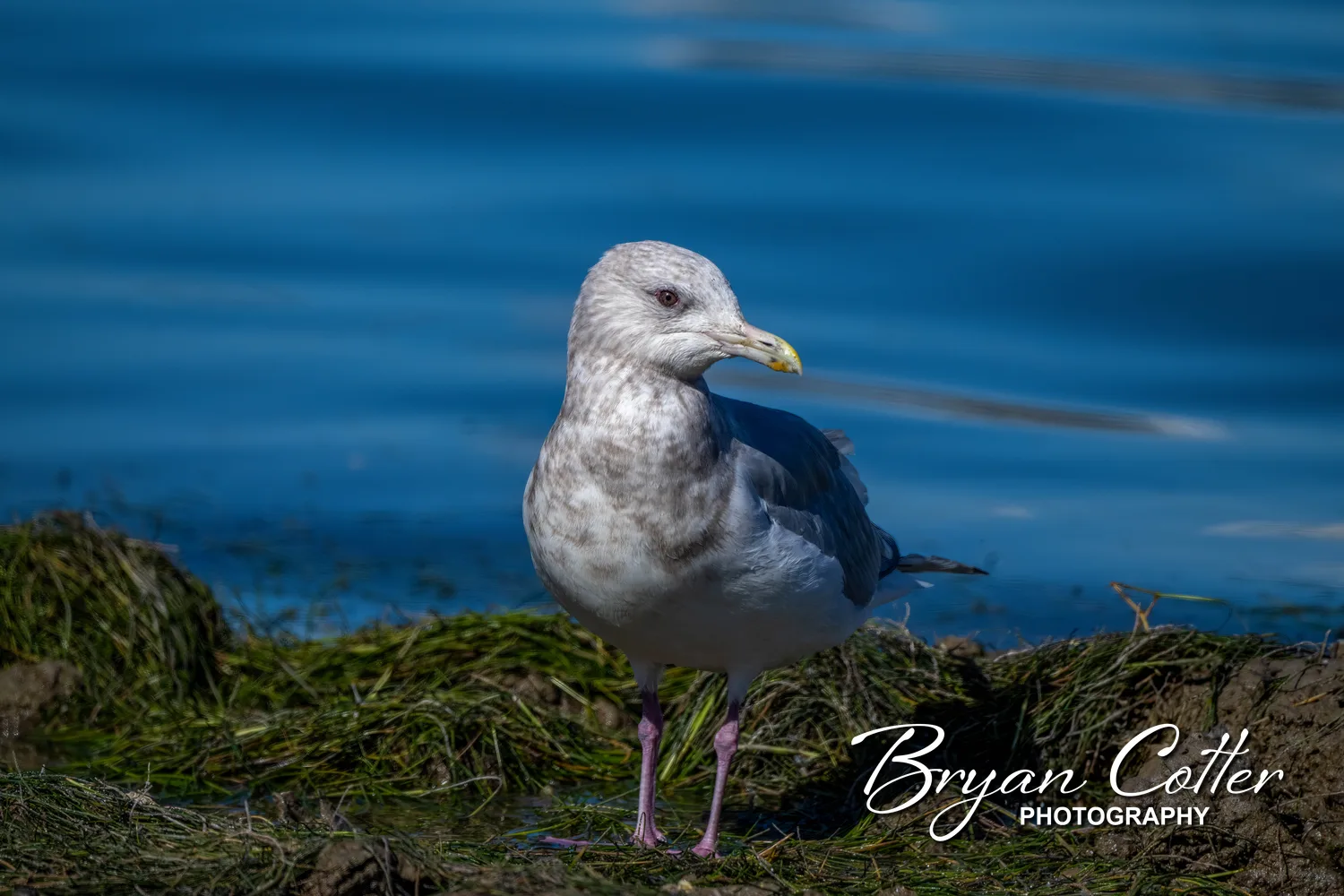
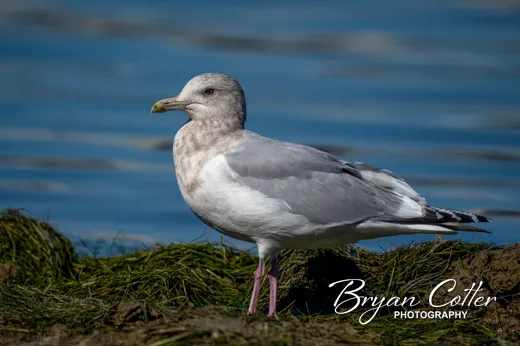
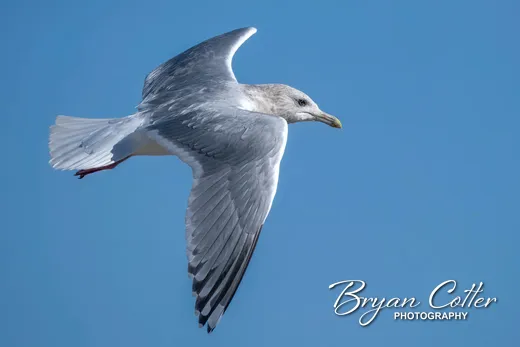
Thayer's Gull is the connoisseur's gull - a high-Arctic breeder from the remote islands of far northern Canada that winters mainly along the Pacific coast, and a scarce, hard-earned prize anywhere in Texas. It looks like a slightly gentler Herring Gull: a shade smaller, rounder-headed, with a dark eye, a more delicate bill, and wingtips that show blackish above but strikingly pale from below, as if the black were painted on only one side of the feather.
No North American bird has had a more argued-over taxonomic career. Described as a full species in 1915, demoted to a Herring Gull subspecies, promoted back to species status in 1973, and finally lumped into Iceland Gull in 2017, Thayer's is now treated as the darkest subspecies of that Arctic gull - though many field guides and most birders still speak of it by name. The debate turned partly on decades-old colony studies that later proved unreliable, making Thayer's a cautionary tale in how species limits get drawn.
Identification remains one of winter birding's classic challenges, resting on a combination of wingtip pattern, eye color, head shape, bill size, and overall structure - no single mark settles it, and hybrids and pale Herring Gulls muddy every flock. That difficulty is exactly the appeal for gull enthusiasts.
In Texas the bird is a rare winter visitor, most likely found by patiently working the big gull concentrations at landfills, reservoirs, and coastal jetties from November through March. A dark-eyed, pale-winged suspect among the wintering Herring Gulls is the reward for scanning a few thousand birds - the kind of find that makes a cold afternoon at a boat ramp feel like striking gold.
Join one of my guided birding tours! Fine art prints of my photos are also available.
© 2026 Bryan Cotter Photography camera gear privacy policy terms of use site by cotter designs