Kelp Gull
Larus dominicanus
About the Kelp Gull
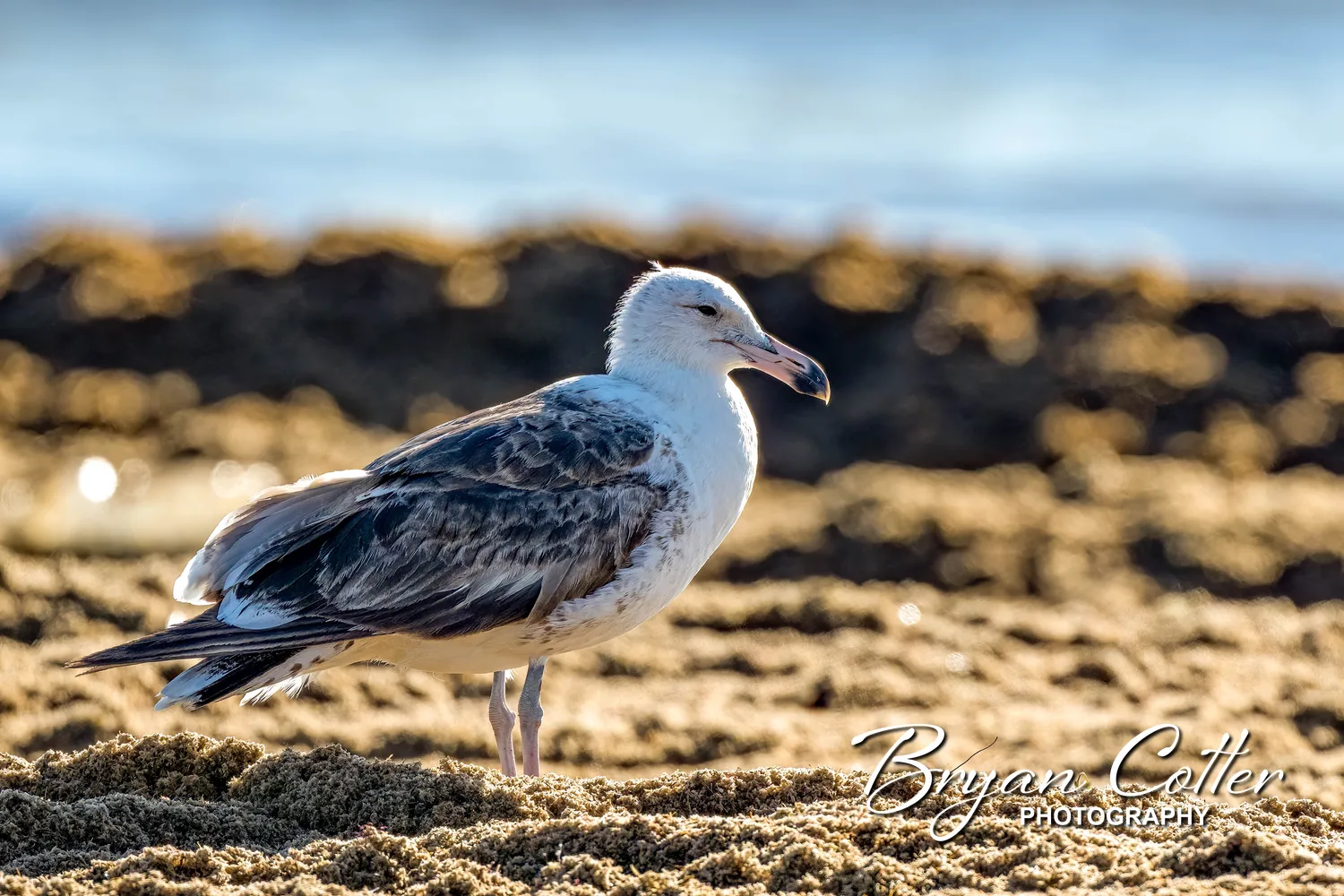
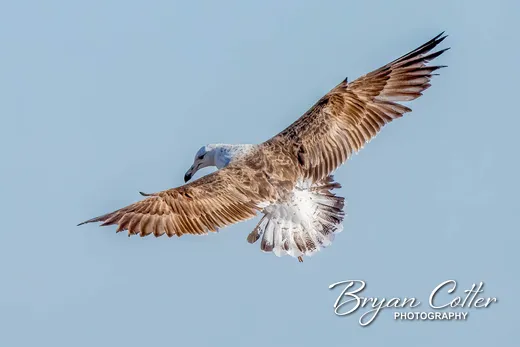
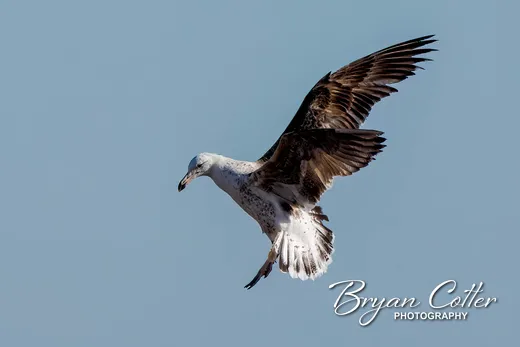
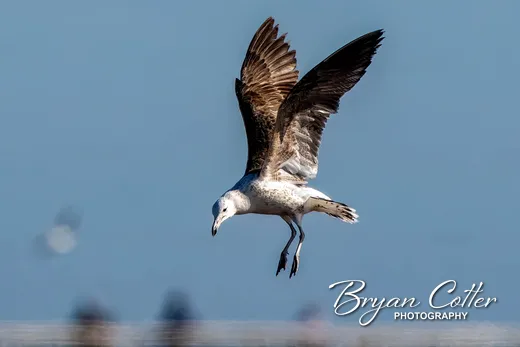
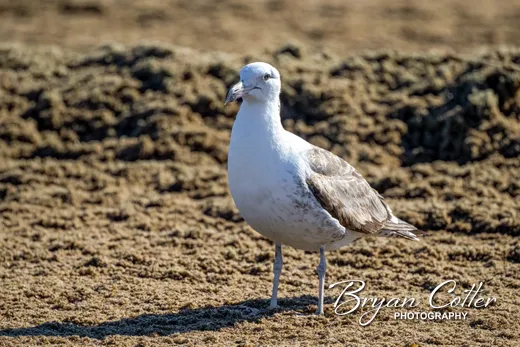
The Kelp Gull is the default big gull of the Southern Hemisphere - the black-backed gull of coastlines from South America and southern Africa to Australia, New Zealand, and even the Antarctic Peninsula. Adults are crisply two-toned: jet-black saddle and wings over a white head, tail, and underparts, with a yellow bill carrying a red spot and dull greenish-yellow legs that help separate it from the similar Lesser Black-backed Gull, whose legs run bright yellow.
Across its vast home range the Kelp Gull is a bold, adaptable omnivore - patrolling beaches for fish and crabs, following trawlers, raiding seabird and seal colonies, and scavenging anything the tide delivers. It is one of the most successful gulls on Earth, its populations growing alongside fisheries and coastal cities through the twentieth century.
In North America, however, it is a genuine rarity. The species first appeared on the Gulf Coast in the 1980s and 1990s, and for a stretch a few birds actually summered and bred on the Chandeleur Islands off Louisiana - hybridizing with Herring Gulls and creating an identification puzzle that still complicates dark-backed gull records along the Gulf. Texas has hosted only a small number of accepted Kelp Gulls, several of them long-staying birds that returned to the same jetties and beaches for years.
Any very dark-backed gull on a Texas beach deserves a hard look: rule out the commoner Lesser Black-backed, check the leg color and the heavy bill, and hope. Among Texas gull chasers the Kelp Gull is the prize of the genre - a Southern Ocean bird standing improbably on Gulf sand.
Join one of my guided birding tours! Fine art prints of my photos are also available.
© 2026 Bryan Cotter Photography camera gear privacy policy terms of use site by cotter designs