Cotton
Gossypium hirsutum
About the Cotton
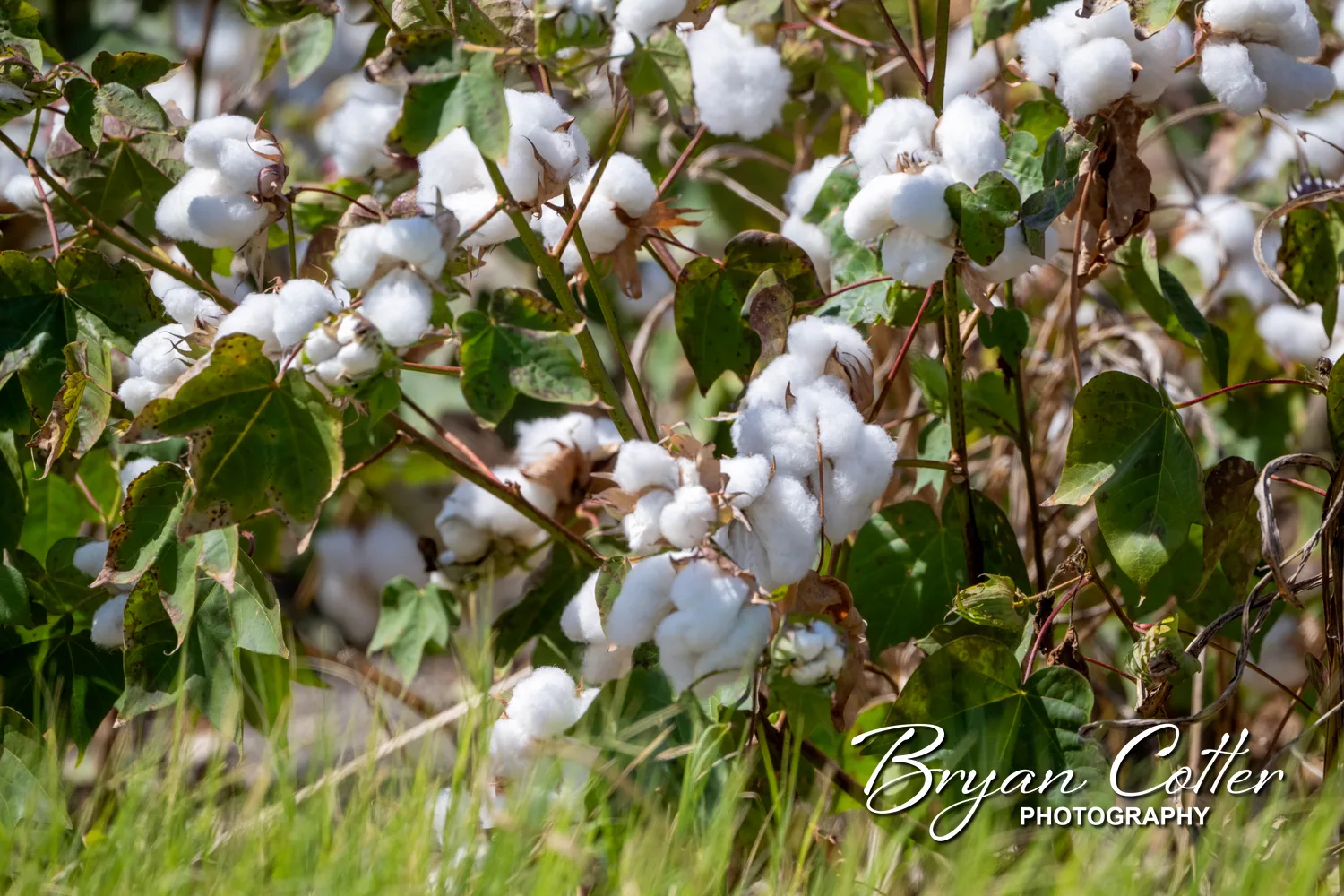
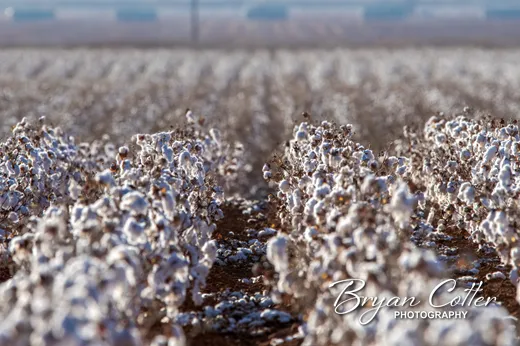
Texas grows more cotton than any other state, and a field of open bolls in September is its own kind of snowfall. The plant is a mallow - cousin to hibiscus and okra - and looking closely at a cotton flower makes the family resemblance obvious.
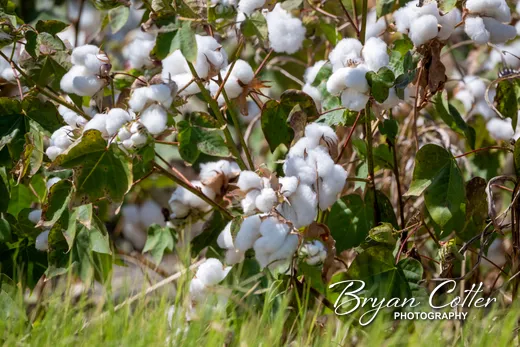
The flowers run a quiet color show: they open cream-yellow, blush pink by the second day as pollination chemistry changes the petals, then fall to reveal the hard green boll. Weeks later the boll bursts into the white lint that built half the state's history, each fluff a package of seeds wearing several thousand individual fibers.
Upland cotton was domesticated in the Americas thousands of years ago, and today its descendants clothe most of the planet. The Texas High Plains around Lubbock form the largest contiguous cotton patch in the world, but fields still stripe the blackland prairie within an hour of Austin.
A cotton field also feeds more wildlife than it gets credit for - the flowers draw bees, the foliage feeds hornworms and loopers that in turn feed birds, and doves work the field edges all fall.
Join one of my guided birding tours! Fine art prints of my photos are also available.
© 2026 Bryan Cotter Photography privacy policy terms of use site by cotter designs