Blue Jay
Cyanocitta cristata
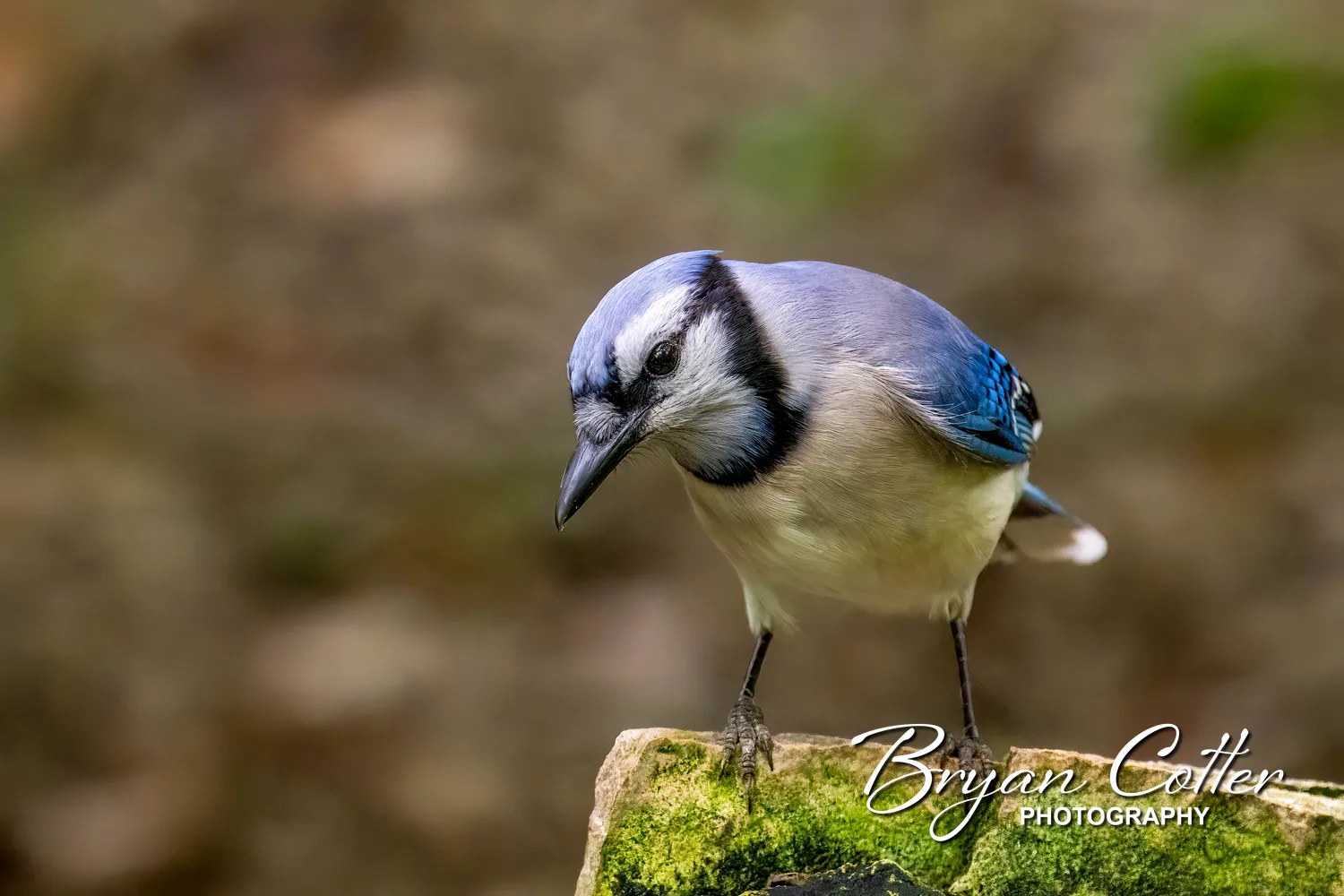
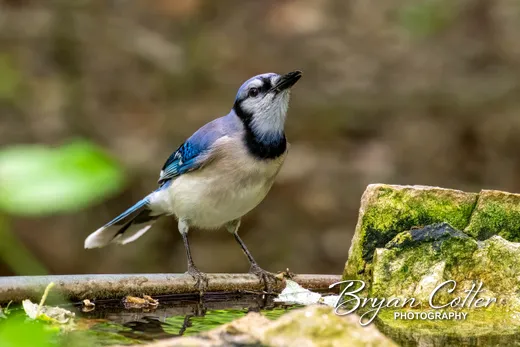
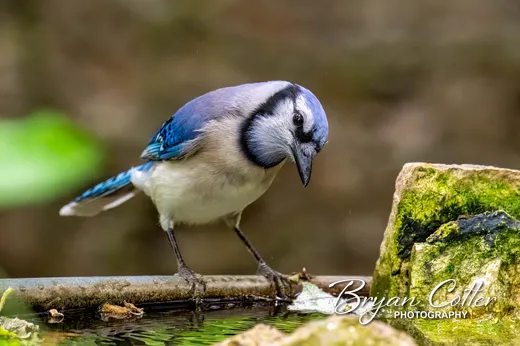
About the Blue Jay
Loud, smart, and dressed better than it behaves. The Blue Jay is one of our most familiar backyard birds, but a close look reveals just how intricate that plumage is - barred wings, a black necklace, and a crest it raises and lowers with its mood. The blue itself is a trick of feather structure scattering light; grind the feather and the color vanishes.
Jays are corvids, kin to crows and ravens, and the intelligence shows. They mimic Red-shouldered Hawk screams well enough to clear a feeder, cache food for later, and post sentries that announce every cat, owl, and photographer in the neighborhood. Family groups stay together through the year, and much of the racket in an oak grove is jay conversation.
Their relationship with oaks runs deep: a single jay can carry thousands of acorns in a season, burying them an inch deep across the countryside and forgetting plenty. Ecologists credit jays with replanting entire oak forests northward after the last ice age.
In Central Texas they are year-round residents, thickest in oak neighborhoods and river bottoms. Fall brings noticeable movement, when northern birds slide south and the local pecans start disappearing at a remarkable rate.
Join one of my guided birding tours! Fine art prints of my photos are also available.
© 2026 Bryan Cotter Photography privacy policy terms of use site by cotter designs