Ocotillo
Fouquieria splendens
About the Ocotillo
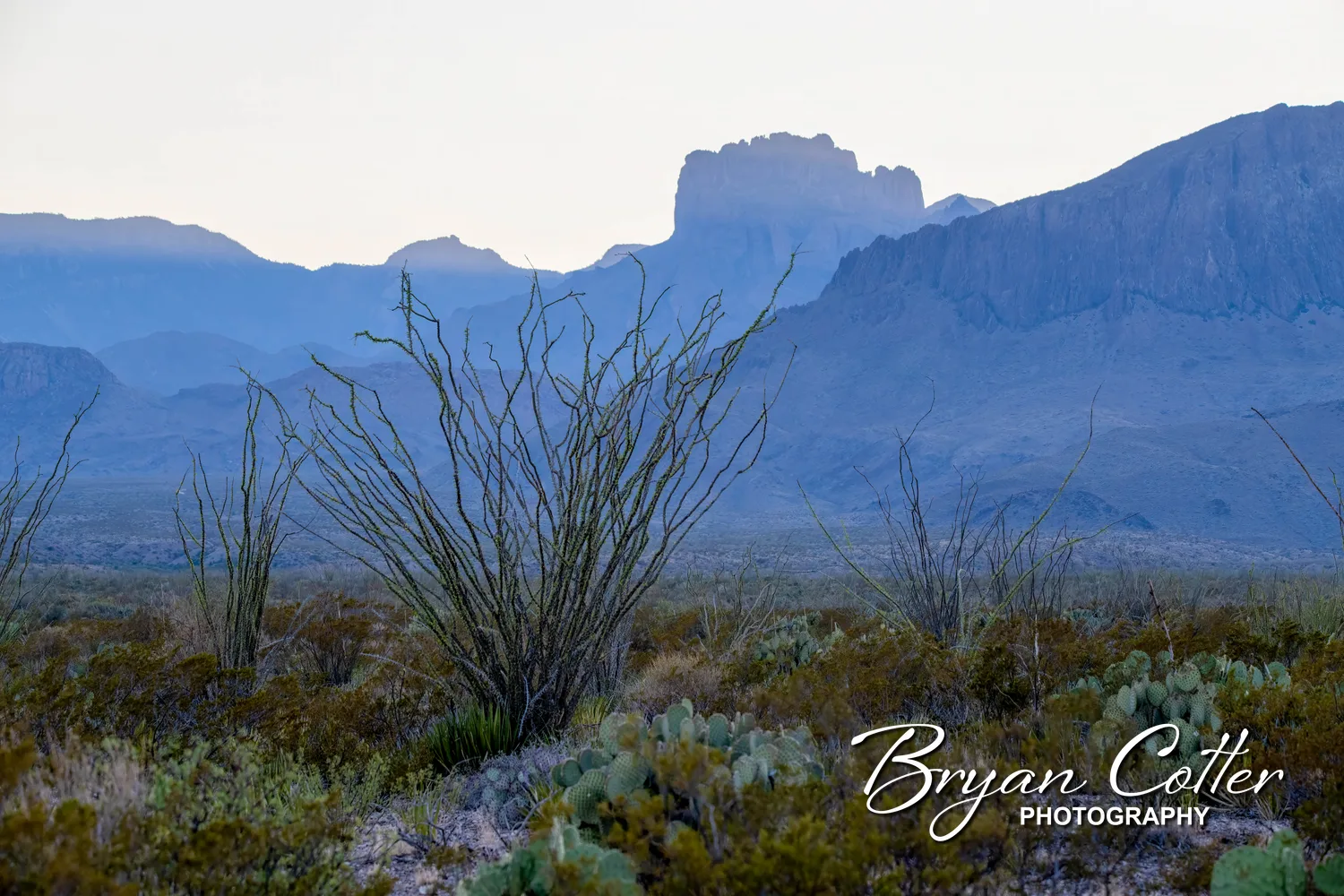
A cluster of long, whip-like, thorn-covered canes rising straight from the ground and spreading slightly toward the top, like a bundle of spiny walking sticks stood on end. For most of the year it looks entirely dead - bare gray wood and spines, nothing more. Then rain comes, and within days the whole plant flushes with small bright green leaves along every cane. When the soil dries the leaves drop again, and it can repeat this cycle several times in a single year.
Despite the spines and the desert setting, ocotillo is not a cactus. It belongs to its own small family, the Fouquieriaceae, and its closest relatives are in the order that also holds tea and blueberries. The spines are not cactus spines either: they are the hardened stalks of the first leaves, left behind as woody thorns after the leaf blades fall.
In spring each cane tips with a dense cluster of tubular scarlet flowers, and those flowers are timed to the northward migration of hummingbirds. Orioles and carpenter bees work them too.
Ocotillo is one of the defining plants of the Chihuahuan Desert and is common through the Trans-Pecos and Big Bend country. A hillside of them in flower against a spring sky is among the more memorable sights in West Texas.
Join one of my guided birding tours! Fine art prints of my photos are also available.
© 2026 Bryan Cotter Photography privacy policy terms of use site by cotter designs