American Pipit
Anthus rubescens
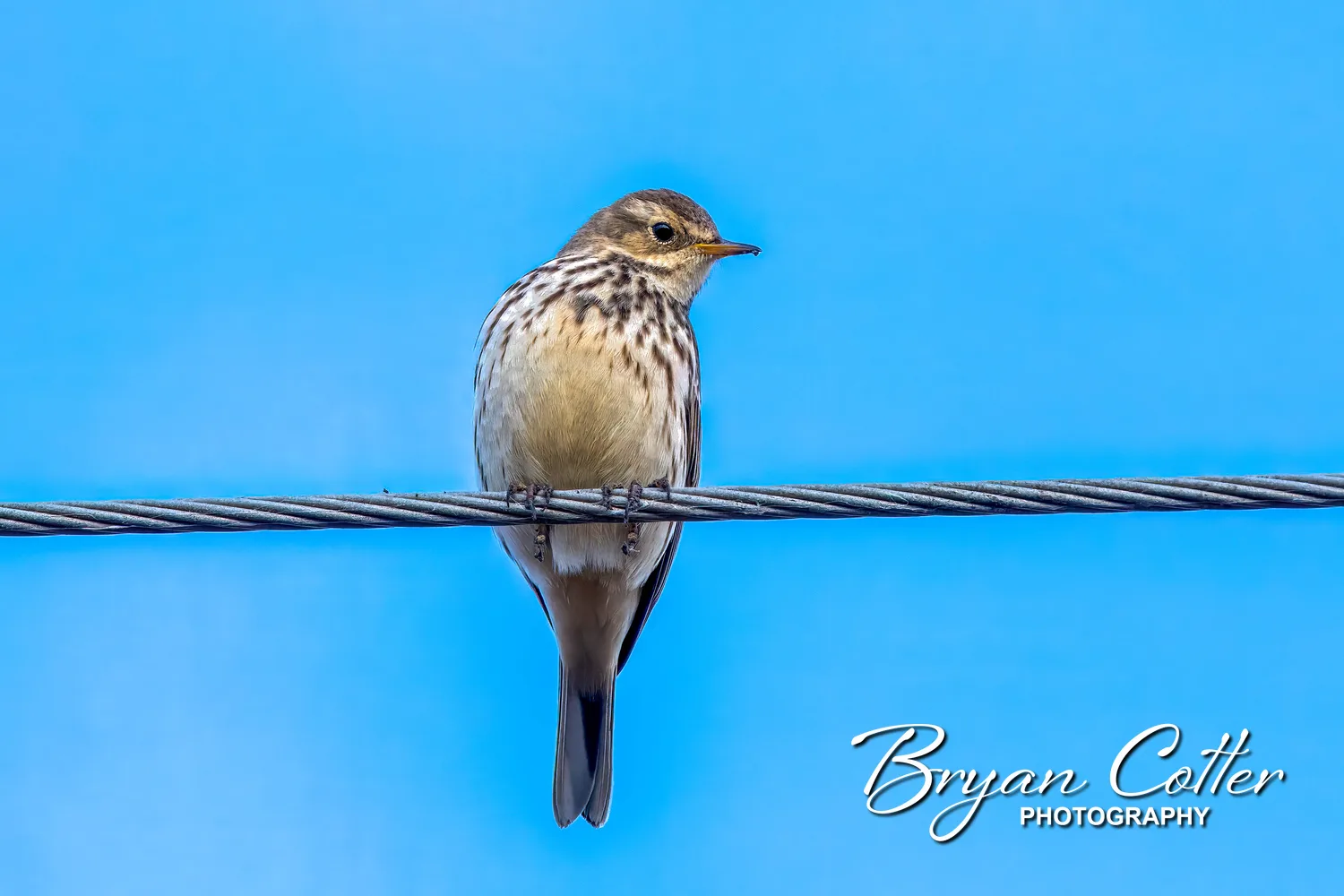
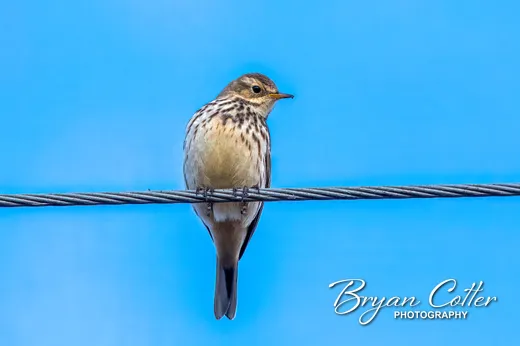

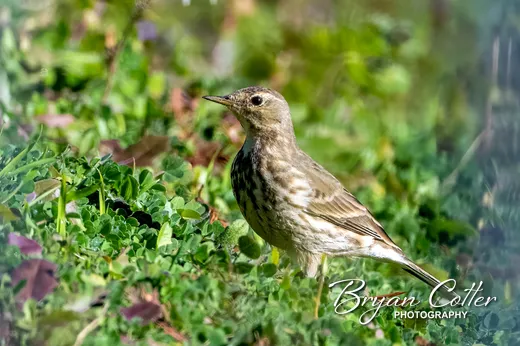
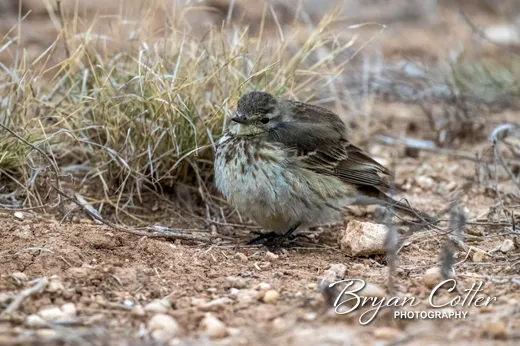
About the American Pipit
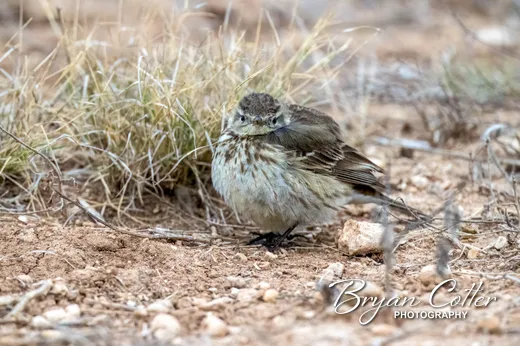
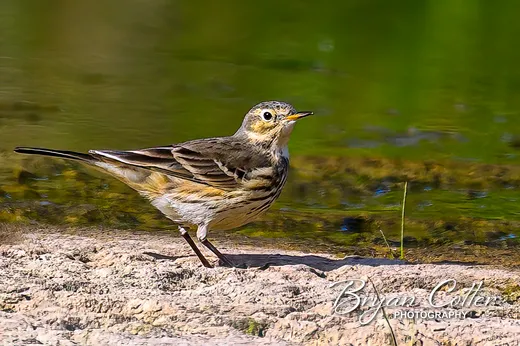
A slim, streaky, ground-dwelling songbird in muted grays and buffs, with a thin bill, dark legs, and white outer tail feathers that flash when it flies. Nothing about the plumage is memorable, which is why the behaviour matters: the American Pipit walks rather than hops, moving steadily across bare ground with a constant bobbing of the tail.
It is a bird of empty places - plowed fields, lake margins, gravel bars, sod farms - and it is almost always in flocks in winter. Flush one and the whole group goes up together, calling a thin sharp pip-it as they climb high and circle before dropping back to the same kind of open ground.
The breeding grounds could hardly be more different: American Pipits nest on arctic tundra and on alpine slopes above treeline in the western mountains, building a grass cup tucked against a rock or tussock.
In Texas they are strictly winter birds, arriving in October and staying into April, and they are easy to overlook because they look like nothing much and stay on the ground. Scan a bare winter field carefully and what looked like clods of earth will start walking. On the coast and around reservoir edges they can gather in flocks of hundreds.
Join one of my guided birding tours! Fine art prints of my photos are also available.
© 2026 Bryan Cotter Photography privacy policy terms of use site by cotter designs