Snowy Plover
Anarhynchus nivosus

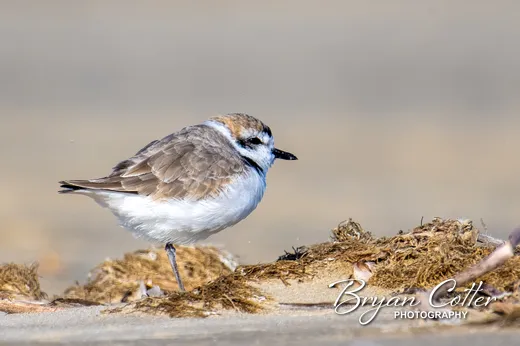
About the Snowy Plover
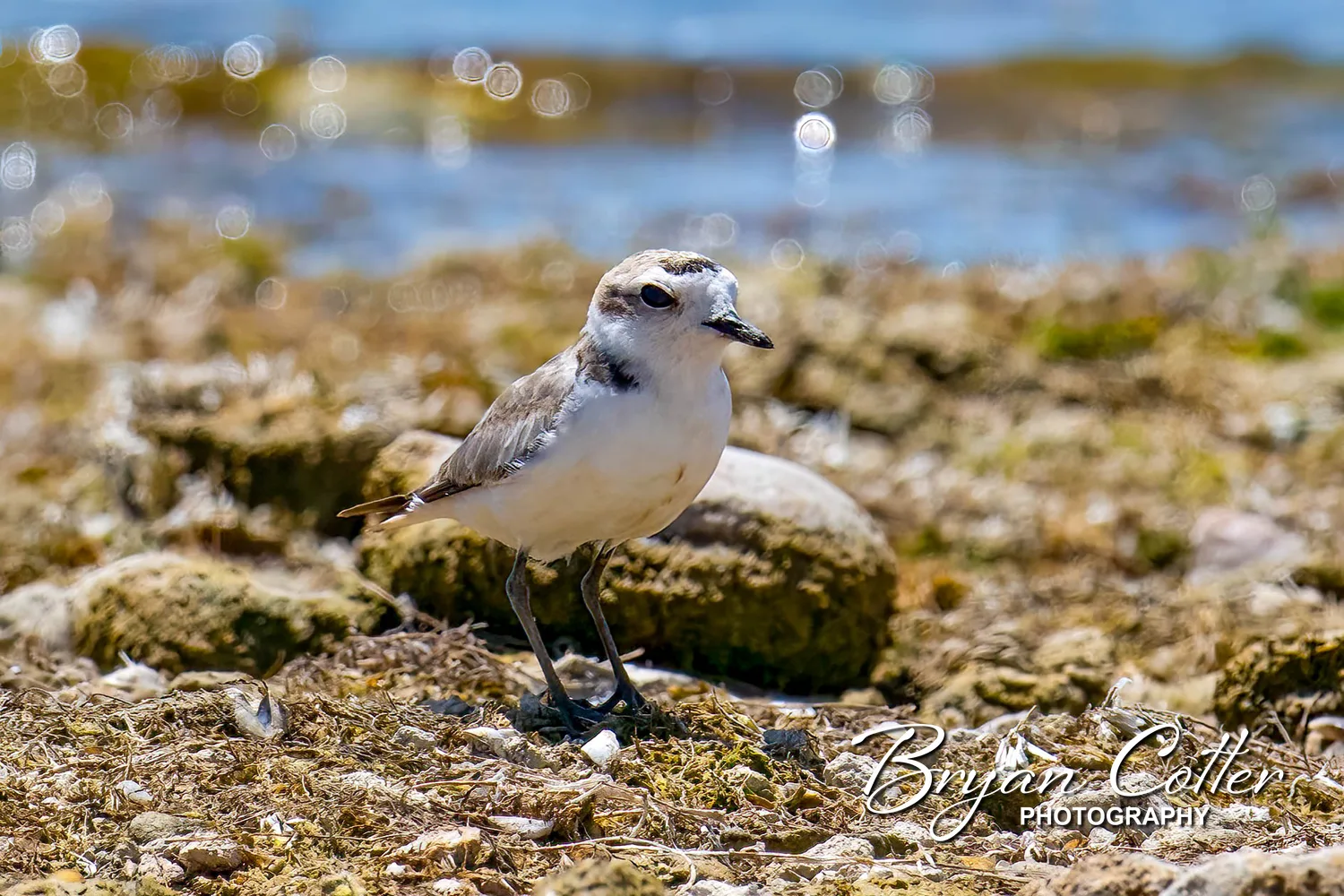
A very small, very pale plover, sand-coloured above and white below, with thin dark legs, a fine black bill, and dark marks at the shoulder, behind the eye, and on the forecrown that never join into a full breast band. The overall impression is of a bird bleached almost to nothing - which is the point, because it lives on open pale sand and its safety depends on not being seen.
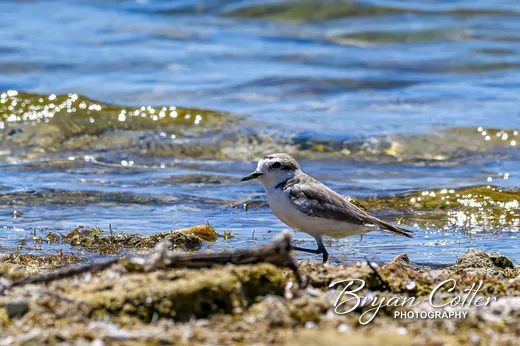
Snowy Plovers feed in the plover manner, running a few quick steps and stopping dead, and their habit of freezing when alarmed makes them vanish completely against dry sand. More often than not the first sign of one is movement rather than shape.
They nest in a bare scrape on open ground, sometimes lined with shell fragments, and the eggs match the substrate so precisely that a nest is very easy to walk into without ever seeing it. That is the species' central problem: it breeds on exactly the flat open sand that people drive, walk, and let dogs run on.
In Texas they breed on the coast and on inland alkali flats in the west, and winter along the coast. Numbers have fallen enough for the species to be considered Near Threatened, and the beaches where it still nests are managed carefully. Give any small pale plover on open sand a wide berth in spring and summer.
Join one of my guided birding tours! Fine art prints of my photos are also available.
© 2026 Bryan Cotter Photography privacy policy terms of use site by cotter designs