Northern Bobwhite
Colinus virginianus
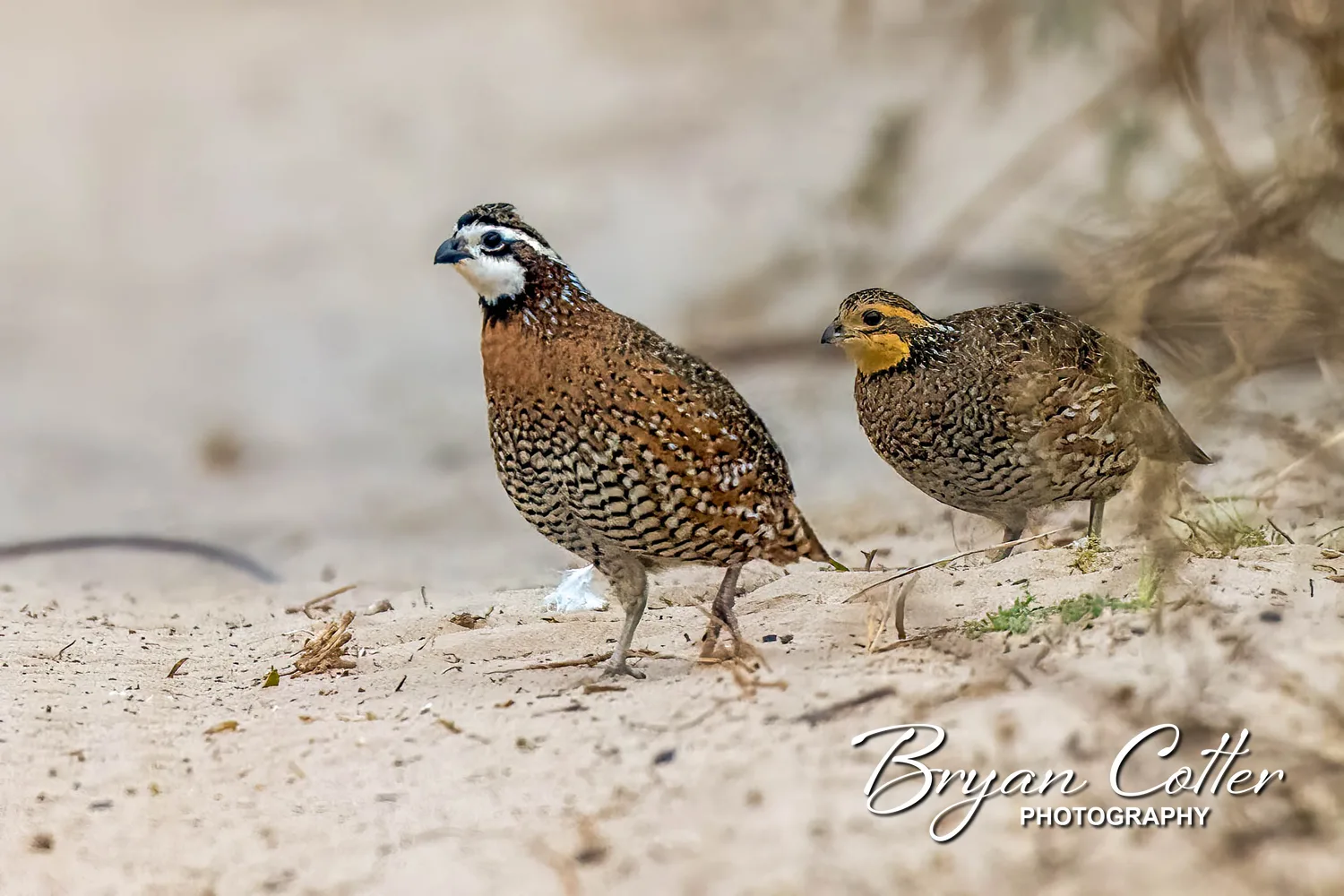
About the Northern Bobwhite
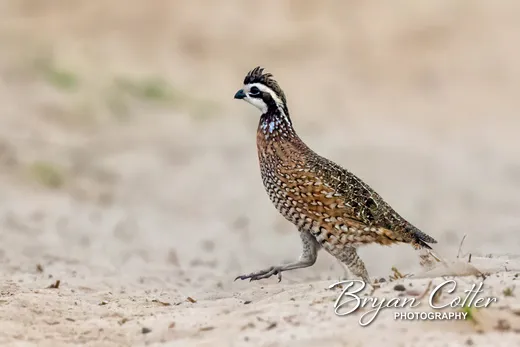
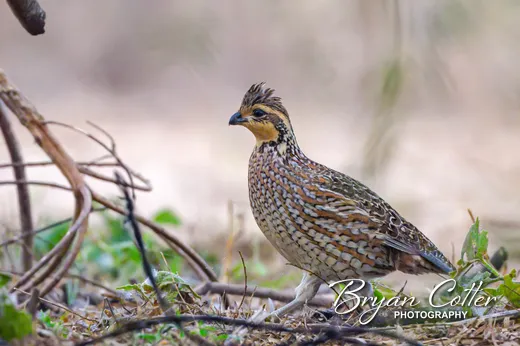
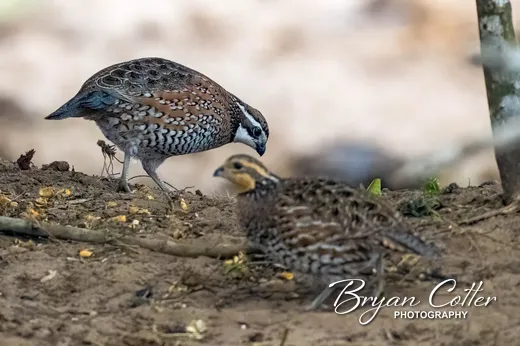
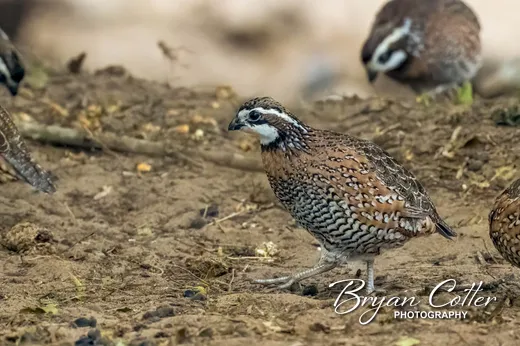
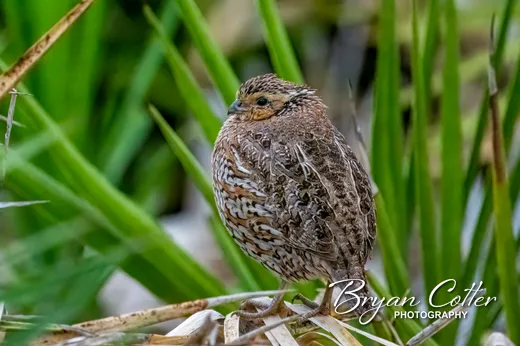
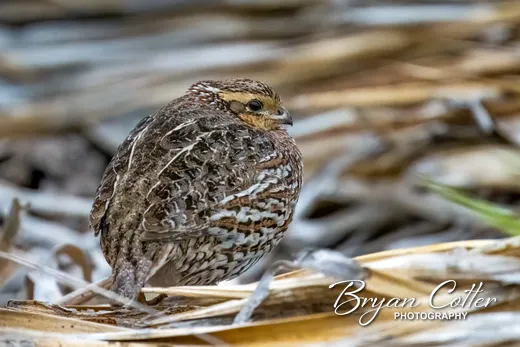
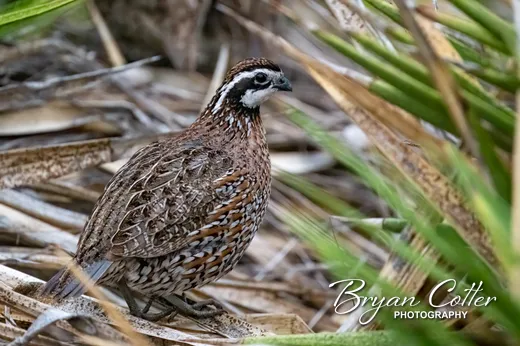
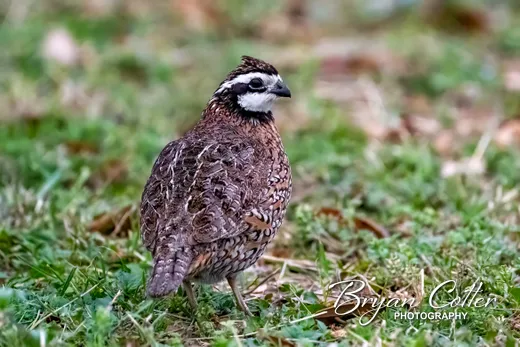
A small, round, ground-living quail, intricately marked in rust, black, and cream, and far easier to hear than to see. The male wears a clean white throat and a white eyebrow stripe cutting across a black face; on the female both are buff instead of white. At rest the bird is a compact chestnut ball with fine scalloping across the flanks and a short gray tail.
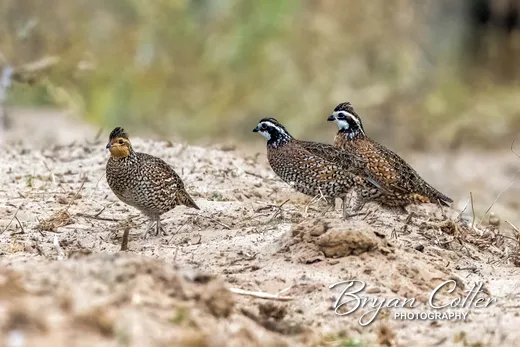
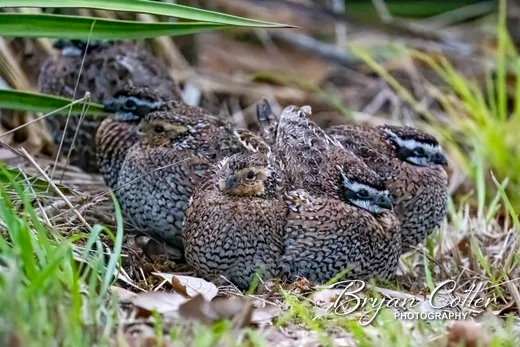
Bobwhites live in coveys through most of the year, roosting in a tight outward-facing ring on the ground so the birds can flush in every direction at once. That flush is the classic encounter - an explosion of wings from underfoot that puts your heart in your throat and the covey a hundred yards away. The name comes from the male's spring whistle, a rising two- or three-note bob-WHITE that carries across open country on a still morning.
Coveys break up in spring and pairs nest on the ground, weaving a shallow cup of grass and often arching the dead stems over the top into a dome with an entrance at one side. Clutches are large, a dozen or more eggs, and both parents incubate; a female will sometimes leave a completed clutch with the male and start a second nest of her own. The chicks leave the nest within hours of hatching and feed themselves from the start.
In Texas they are year-round residents, and the South Texas rangeland is now one of their last real strongholds. Nationally this is a bird in serious trouble - decades of steep decline driven by lost native grassland and brushy edge - which makes a good covey on well-managed ranch country something worth appreciating rather than assuming.
Join one of my guided birding tours! Fine art prints of my photos are also available.
© 2026 Bryan Cotter Photography privacy policy terms of use site by cotter designs