Long-billed Curlew
Numenius americanus
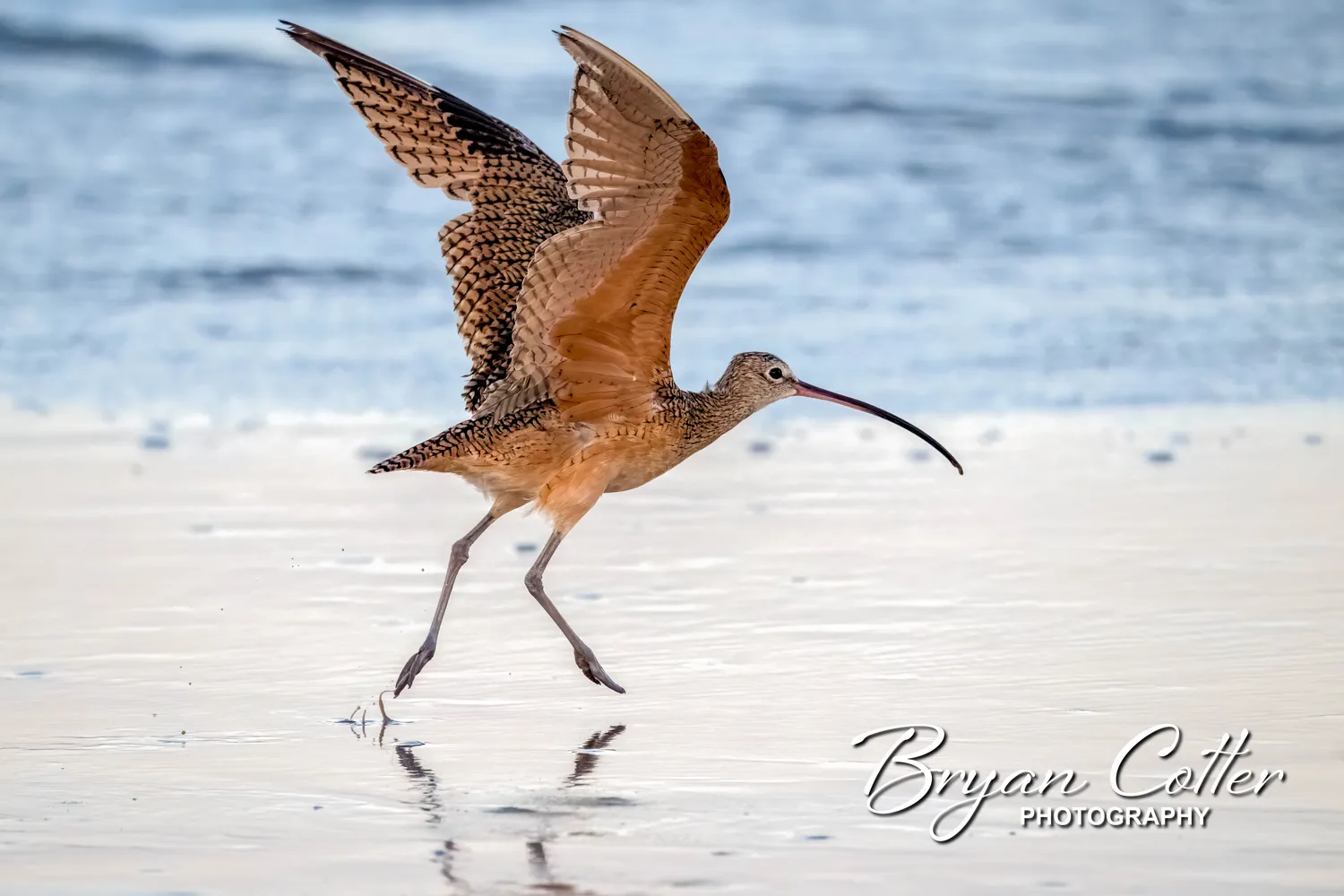

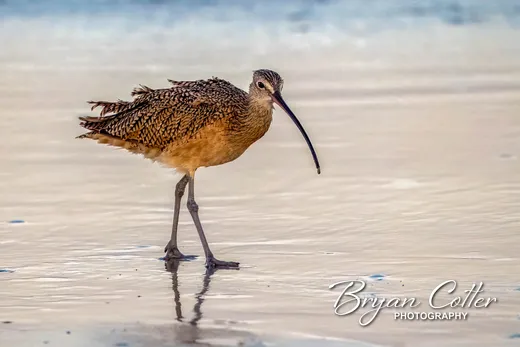


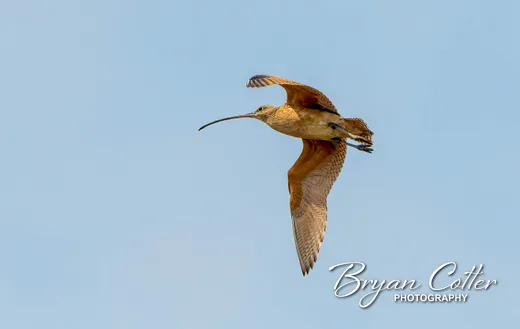
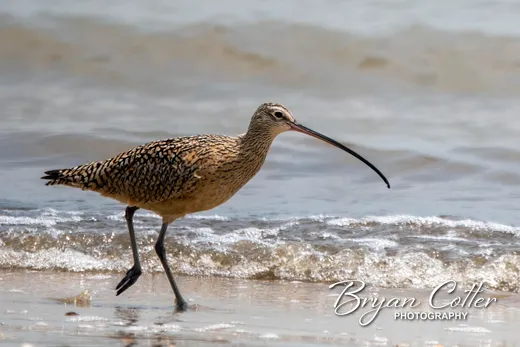
About the Long-billed Curlew
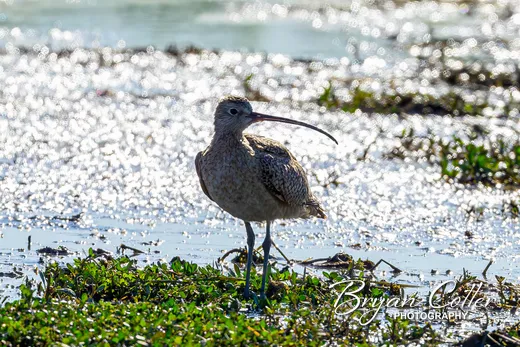
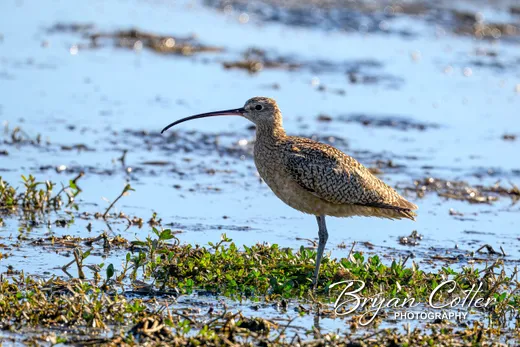
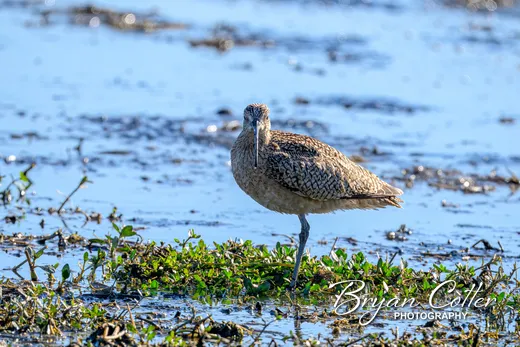
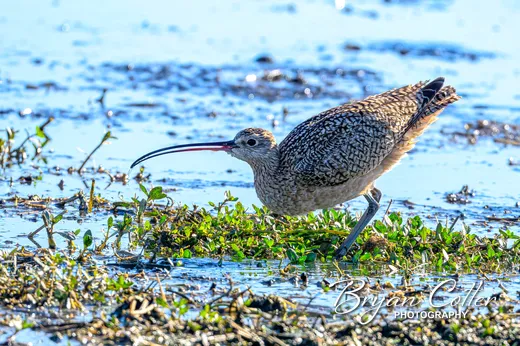
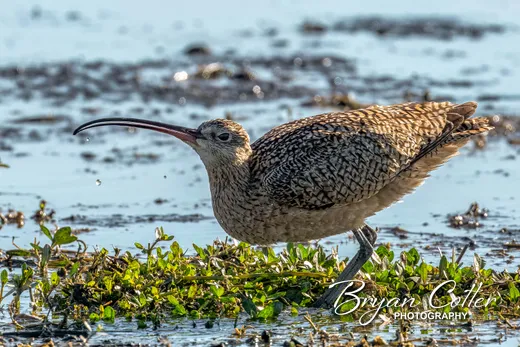
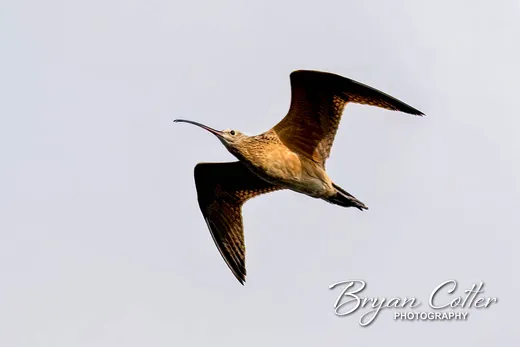
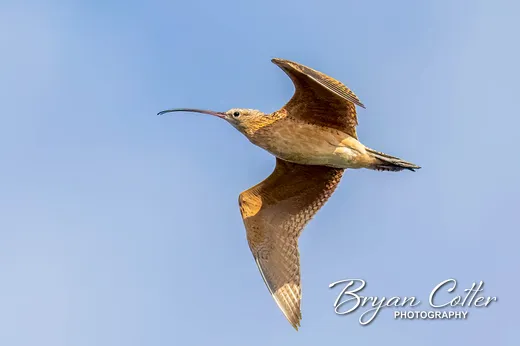
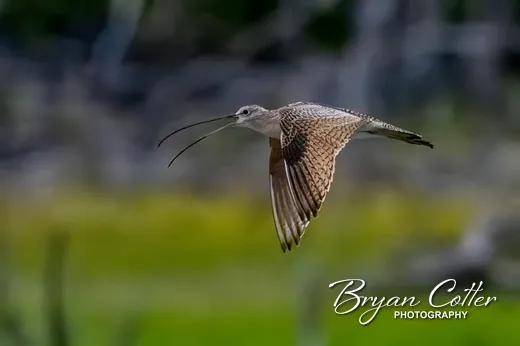
The Long-billed Curlew is North America's largest shorebird, a cinnamon-buff giant with an absurd, sickle-shaped bill that can reach eight inches - longest in the females. In flight the wings flash bright cinnamon underneath, and the size alone rules out nearly everything else on the flats.
That extravagant bill is a precision tool: on the coast it reaches shrimp and crabs deep in their burrows, and on the prairies where curlews breed it plucks grasshoppers from the grass. The call - a pure, ringing "cur-lee" that carries a great distance - gave the bird its name.
In Texas the Long-billed Curlew is a winter visitor and migrant, arriving as early as late June and staying into spring, feeding on coastal flats, beaches, and plowed fields, with wintering flocks also scattered through the western half of the state.
Join one of my guided birding tours! Fine art prints of my photos are also available.
© 2026 Bryan Cotter Photography privacy policy terms of use site by cotter designs