Cattails
Typha latifolia


About the Cattails
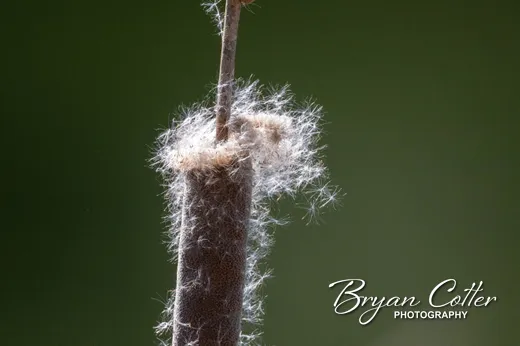
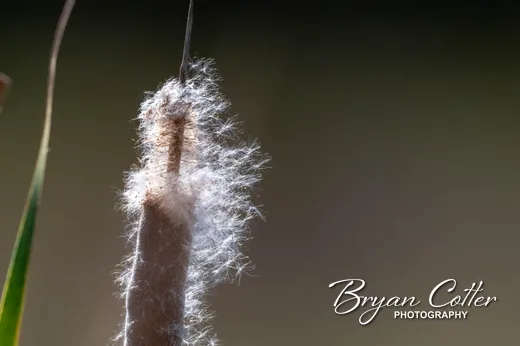
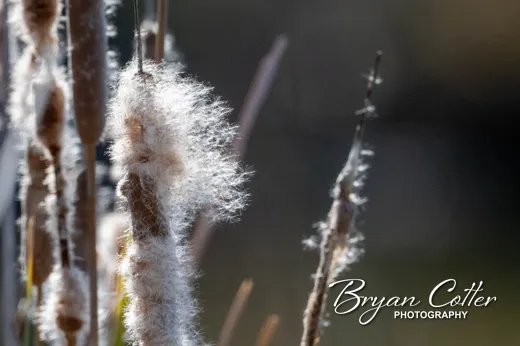
Cattails are the architecture of the marsh - tall ribbon-leaved wetland plants crowned in summer with the familiar brown velvet cylinder, which is actually thousands of packed female flowers; the wispy spike above is the male half. By late fall the heads burst into clouds of wind-borne fluff, each carrying a seed.
Nearly every marsh creature uses them: Red-winged Blackbirds and wrens sling nests between the stems, bitterns hide in plain sight among the ribbons, muskrats eat the starchy rhizomes and build lodges from the leaves, and dragonfly nymphs climb the stalks to emerge. People have used them nearly as thoroughly - the rhizomes, pollen, and young shoots are all edible, and the leaves were woven and the fluff used for tinder and insulation.
In Texas, cattails line ponds, ditches, and lake coves statewide, colonizing any shallow fresh water by rhizome and seed - sometimes too enthusiastically. For a bird photographer they are both stage and subject: half the marsh birds in this gallery were photographed clinging to a cattail stem.
Join one of my guided birding tours! Fine art prints of my photos are also available.
© 2026 Bryan Cotter Photography privacy policy terms of use site by cotter designs