Piping Plover
Charadrius melodus






About the Piping Plover
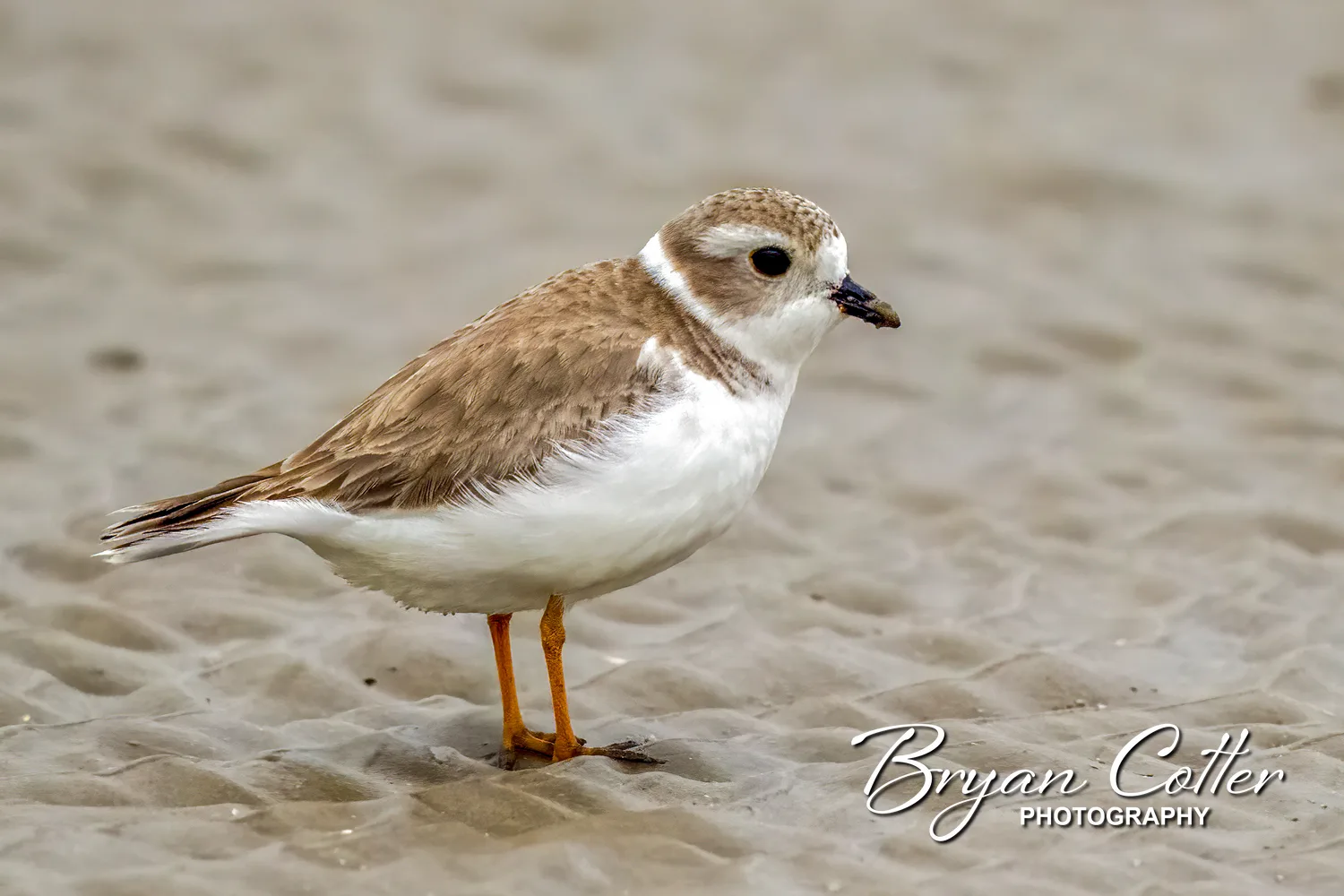
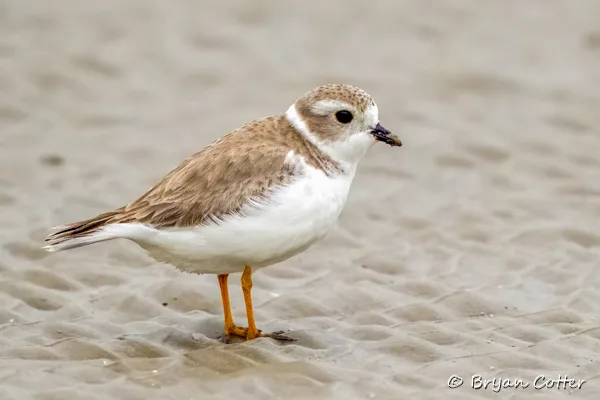
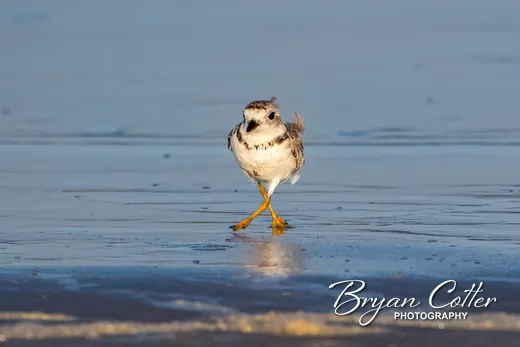
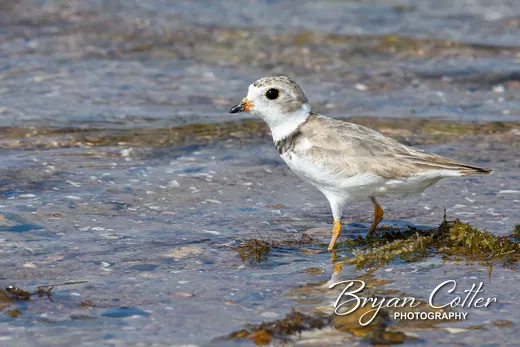
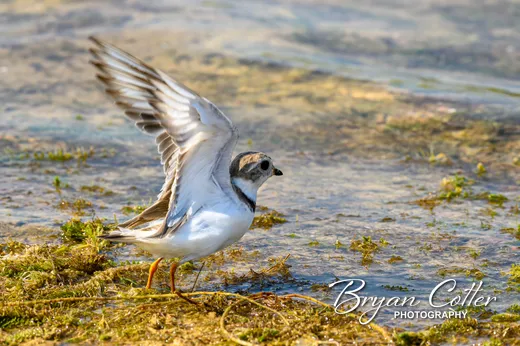
The Piping Plover is a small, pale ghost of a shorebird - dry-sand colored above, white below, with a stubby orange-and-black bill and orange legs in breeding dress. The pale back is the point: on the open beaches where it lives, a motionless Piping Plover simply disappears, and the species' survival has always depended on not being noticed.
It feeds in the classic plover rhythm - run, stop, look, peck - taking marine worms, insects, and tiny crustaceans from the wet sand and wrack line, usually alone or in loose scatters rather than the packed flocks of other shorebirds. Its soft, piping "peep-lo" call is often the first clue one is near.
Piping Plovers breed on northern beaches, alkali flats, and river sandbars in three populations - Atlantic coast, Great Plains, and Great Lakes - every one of them federally listed as endangered or threatened. Beach development, vehicles, and predators keep the global population at only a few thousand pairs, making this one of the rarest shorebirds in North America.
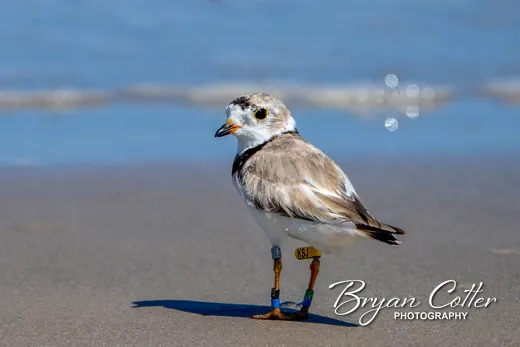
The Texas coast is the species' great winter refuge: a large share of the entire world population winters on our barrier-island flats and beaches from late July into April. Wintering birds are faded and anonymous-looking, so the banded legs many carry - part of intensive range-wide monitoring - are often the easiest way to confirm the identification, and reporting those bands genuinely helps the recovery effort.
Join one of my guided birding tours! Fine art prints of my photos are also available.
© 2026 Bryan Cotter Photography camera gear privacy policy terms of use site by cotter designs