House Finch
Haemorhous mexicanus
About the House Finch
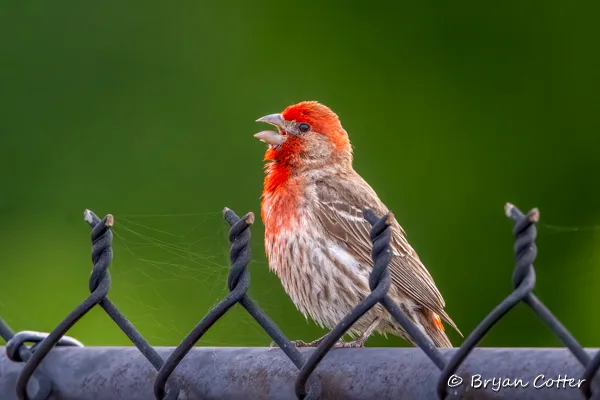
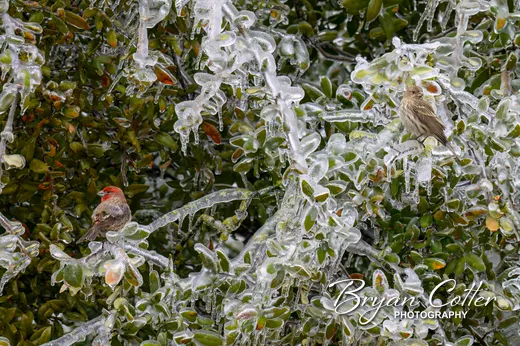
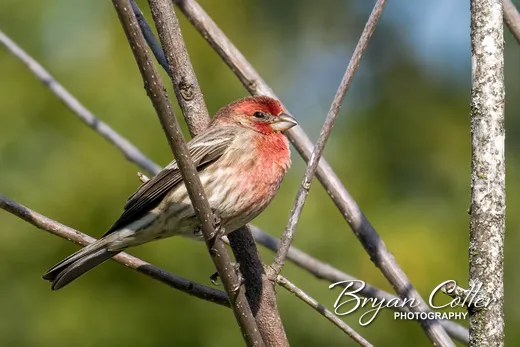
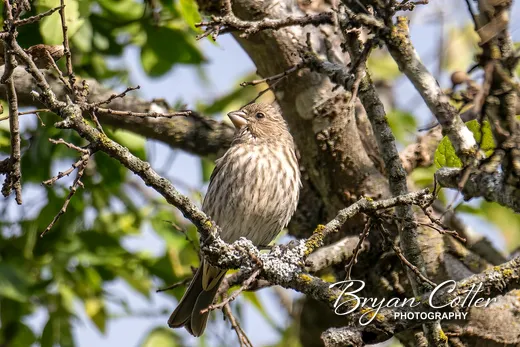
The House Finch is the cheerful red bird at nearly every feeder in Texas - though only the males are red, and only on the head, chest, and rump, with brown-streaked bodies below. The red comes entirely from pigments in their food, so male House Finches range from deep raspberry to orange to nearly yellow depending on diet, and females prefer the reddest males they can find.
The species' continental story is remarkable. House Finches are native to the western United States and Mexico; the entire eastern population descends from a few caged "Hollywood Finches" released on Long Island in 1940 when selling them became illegal. The releases exploded across the East, met the native western population on the Great Plains, and made the House Finch one of the most widespread songbirds in North America.
House Finches are nearly pure vegetarians - seeds, buds, and fruit - even feeding their nestlings regurgitated seeds rather than the insects most songbirds insist on. They nest almost anywhere elevated and sheltered: hanging planters, wreaths, ledges, and cactus alike. The male's long, jumbled warble, delivered from a wire or treetop, is one of the most constant sounds of a Texas neighborhood.
They are year-round residents across the state, tame and social, usually arriving at feeders in twittering little groups. An eye disease (mycoplasmal conjunctivitis) that swept the eastern population in the 1990s still appears occasionally - one reason to keep feeders clean.
Join one of my guided birding tours! Fine art prints of my photos are also available.
© 2026 Bryan Cotter Photography camera gear privacy policy terms of use site by cotter designs