Rio Grande Valley Hotspots
The Lower Rio Grande Valley is the crown jewel of American birding, a subtropical corner of deep South Texas where dozens of species reach the northern edge of their range and occur nowhere else in the country. Remnant thorn forest, resacas, and river woodlands hold a dazzling, colorful cast of birds, and rarities from Mexico turn up regularly. For a bird photographer, it's simply hard to beat.
Birds to look for: Green Jay, Great Kiskadee, Altamira Oriole, Plain Chachalaca, Green Kingfisher, Buff-bellied Hummingbird, and Least Grebe.
Best time to visit: Year-round; winter adds rarities and the biggest variety.
Birds I’ve Photographed in Rio Grande Valley 96 species · see them in the gallery →
 Altamira Oriole
 Altamira x Audubon's Oriole
 American Kestrel
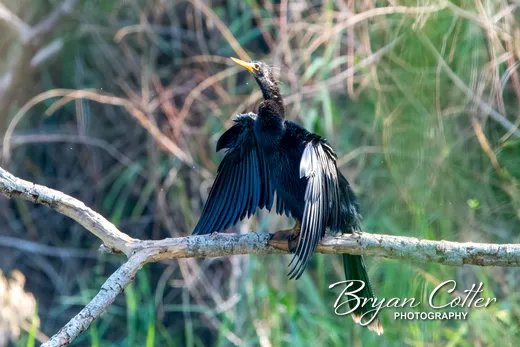 Anhinga
 Audubon's Oriole
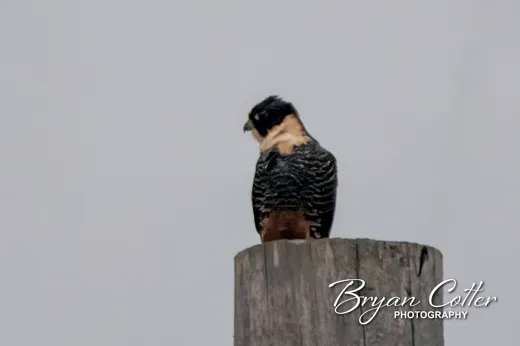 Bat Falcon
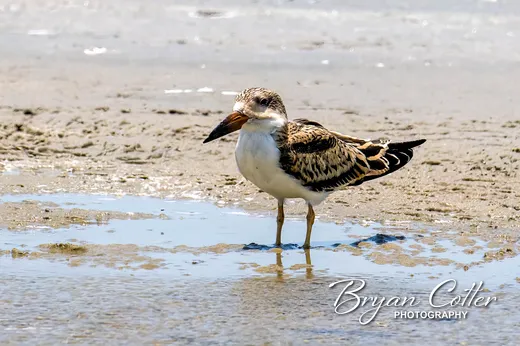 Black Skimmer
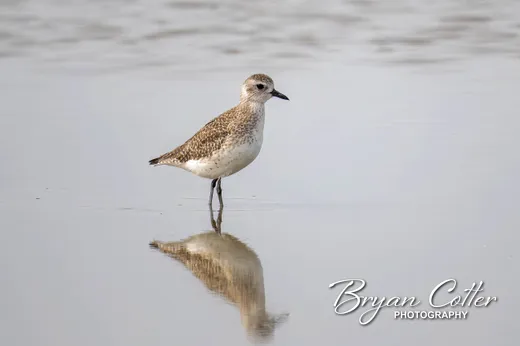 Black-bellied Plover
 Black-bellied Whistling-Duck
 Black-chinned Hummingbird
 Black-crested Titmouse
 Black-crowned Night-Heron
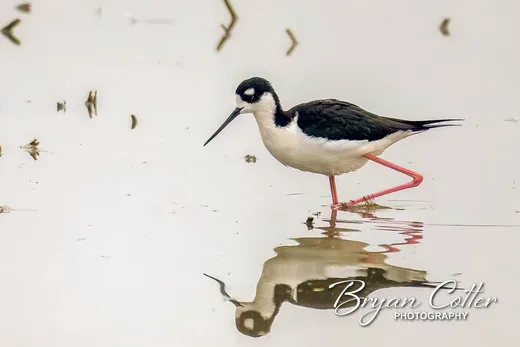 Black-necked Stilt
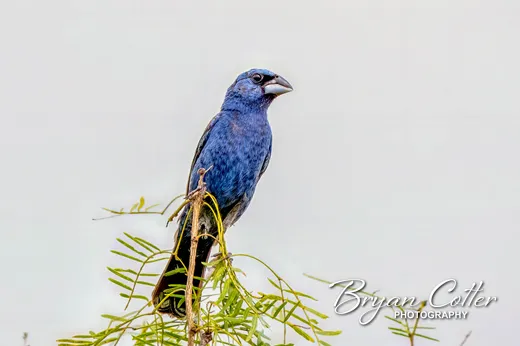 Blue Grosbeak
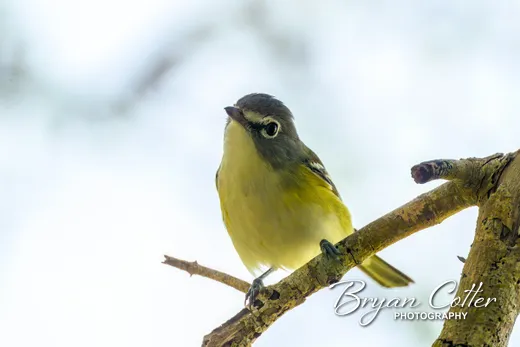 Blue-headed Vireo
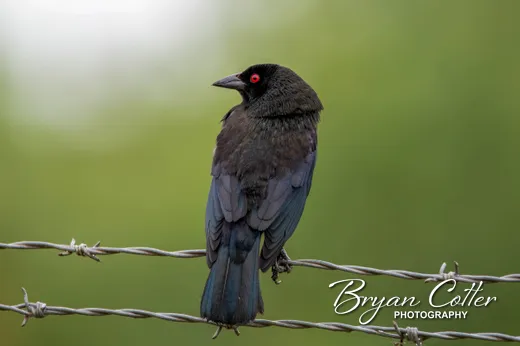 Bronzed Cowbird
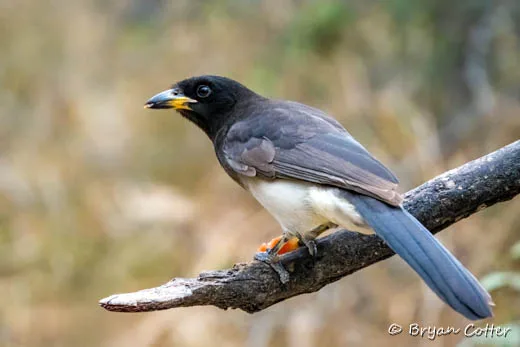 Brown Jay
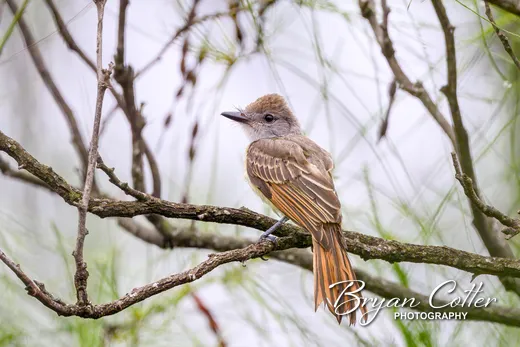 Brown-crested Flycatcher
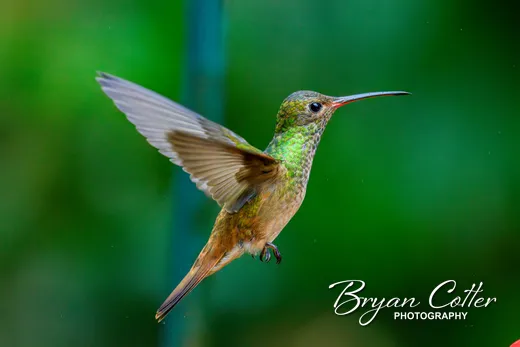 Buff-bellied Hummingbird
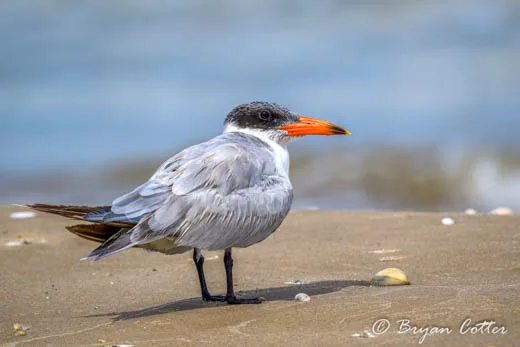 Caspian Tern
 Clay-colored Thrush
 Common Gallinule
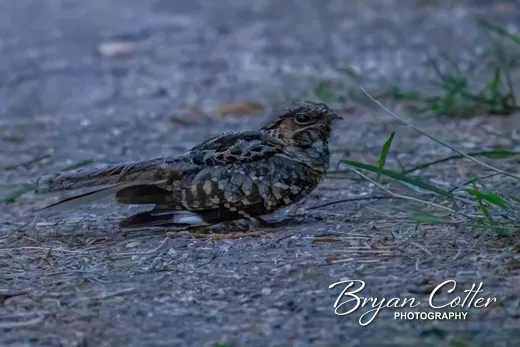 Common Pauraque
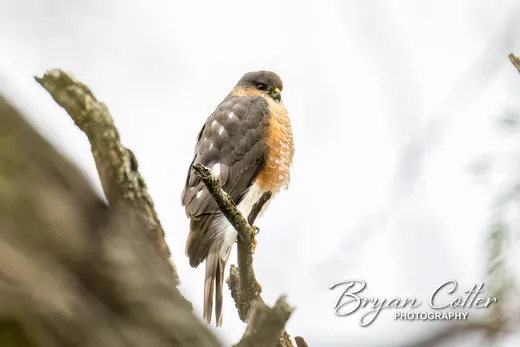 Cooper's Hawk
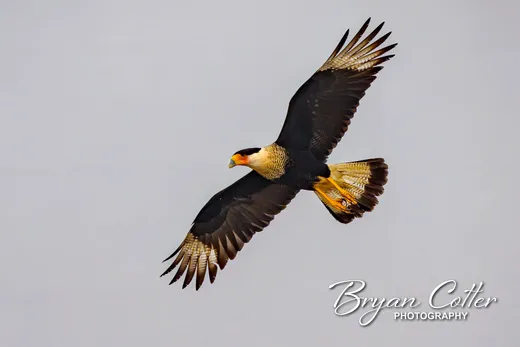 Crested Caracara
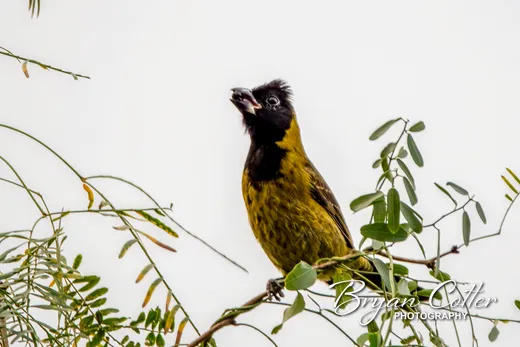 Crimson-collared Grosbeak
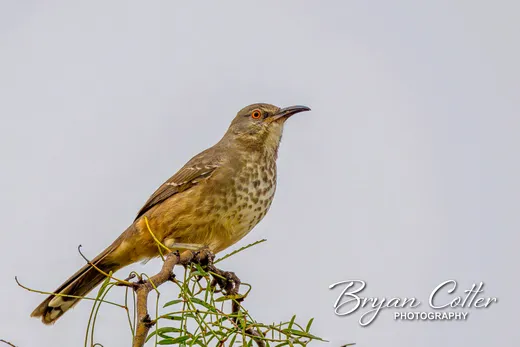 Curve-billed Thrasher
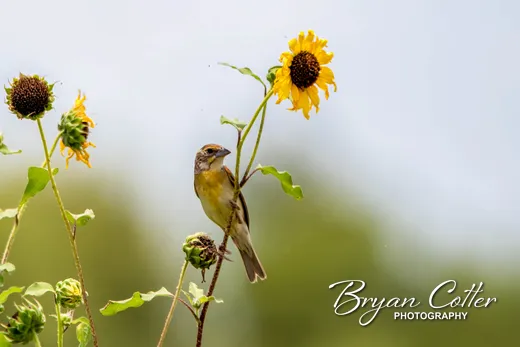 Dickcissel
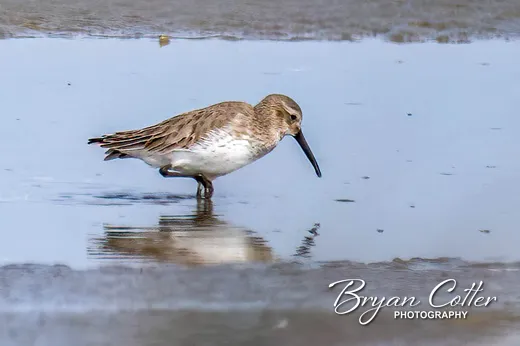 Dunlin
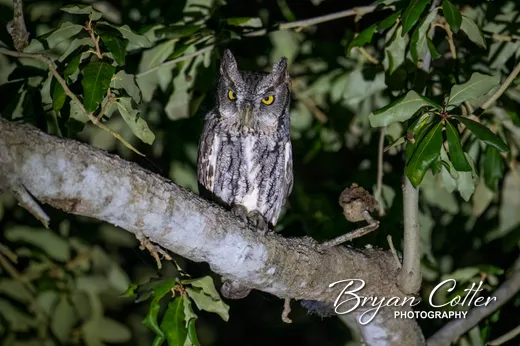 Eastern Screech-Owl
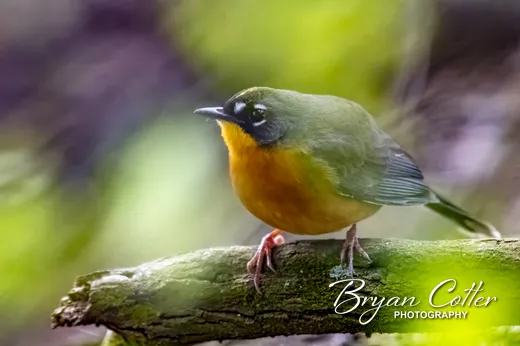 Fan-tailed Warbler
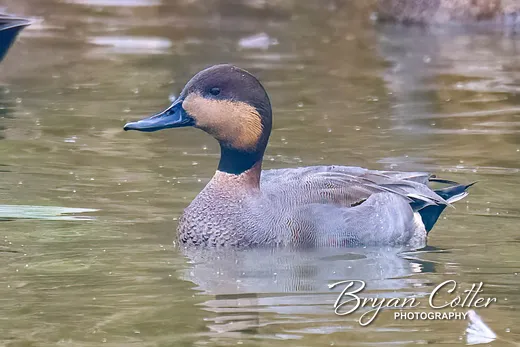 Gadwall x Northern Pintail
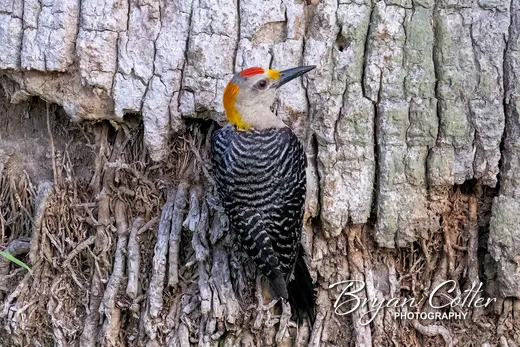 Golden-fronted Woodpecker
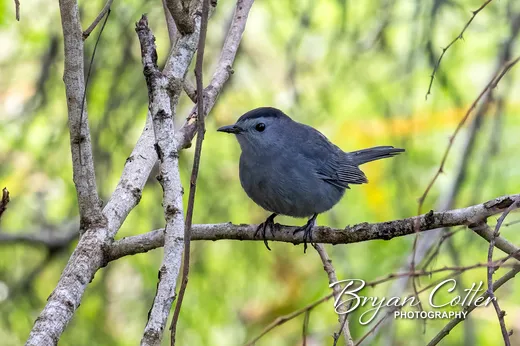 Gray Catbird
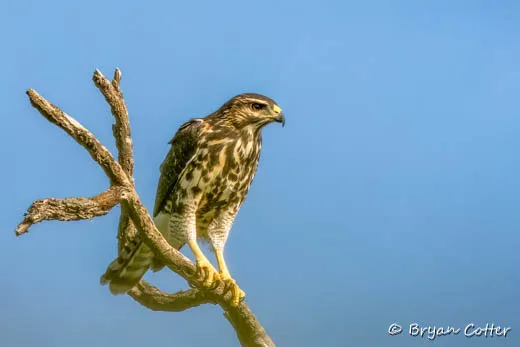 Gray Hawk
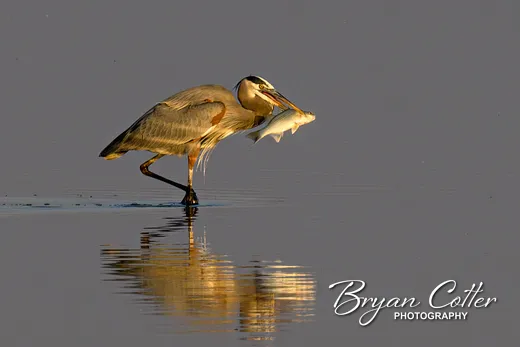 Great Blue Heron
 Great Kiskadee
 Great-tailed Grackle
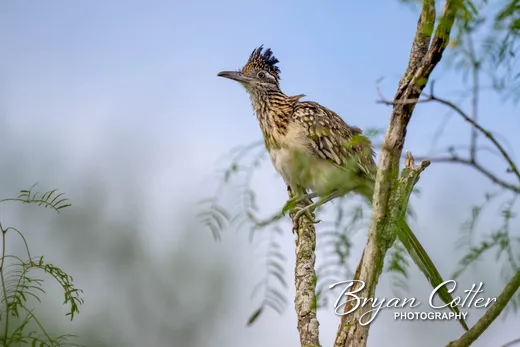 Greater Roadrunner
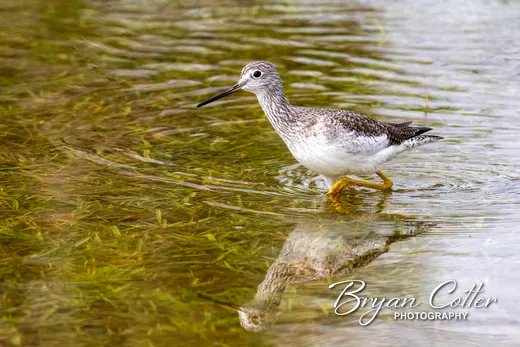 Greater Yellowlegs
 Green Heron
 Green Jay
 Groove-billed Ani
 Gull-billed Tern
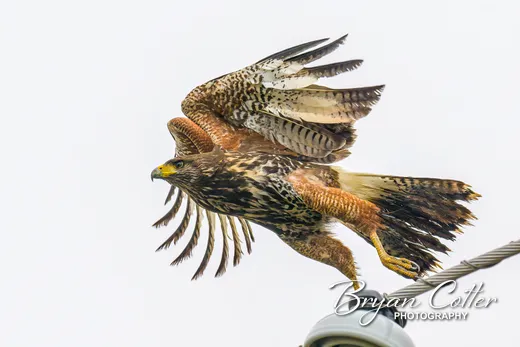 Harris's Hawk
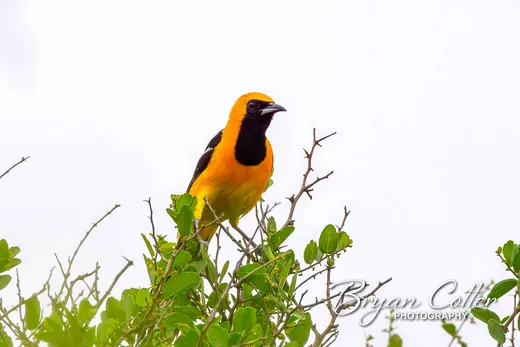 Hooded Oriole
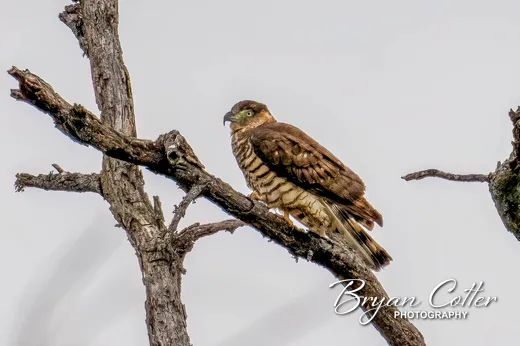 Hook-billed Kite
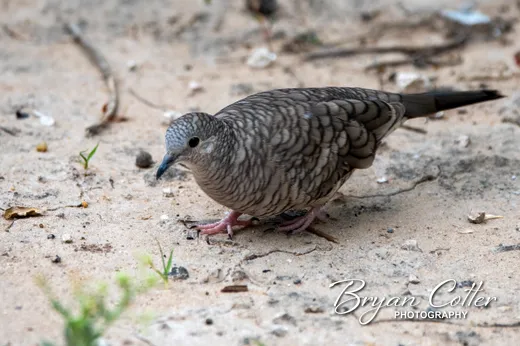 Inca Dove
 Laughing Gull
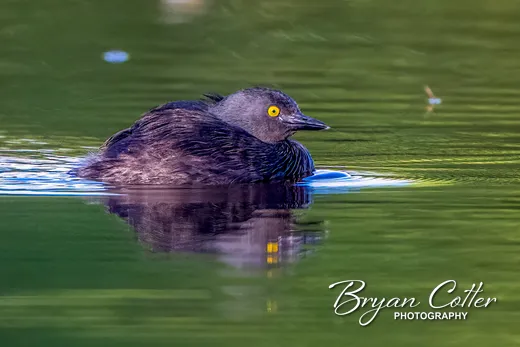 Least Grebe
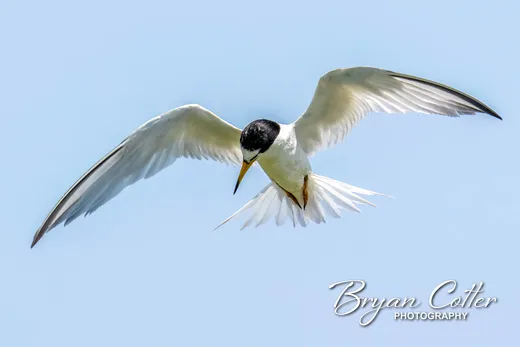 Least Tern
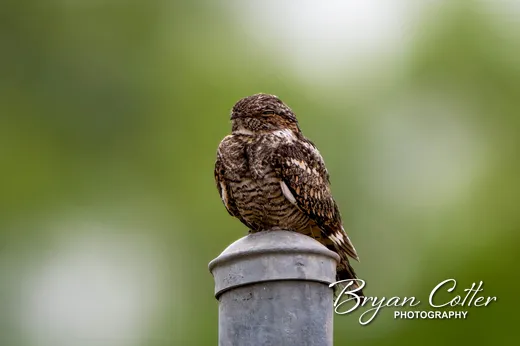 Lesser Nighthawk
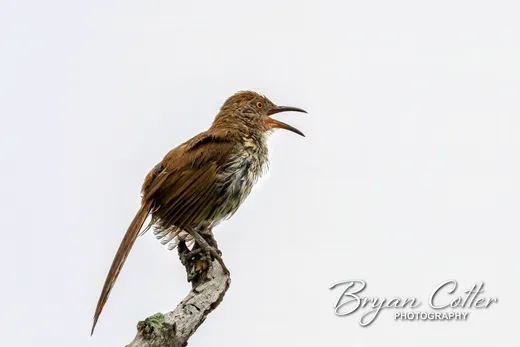 Long-billed Thrasher
 Marbled Godwit
 Merlin
 Mottled Duck
 Mottled Owl
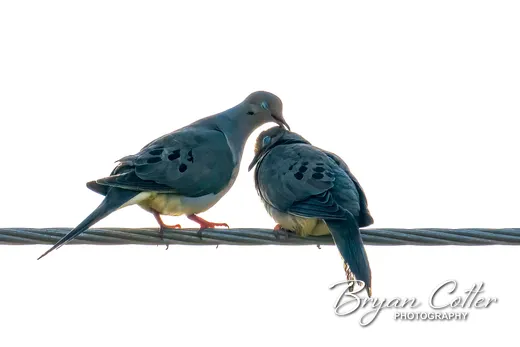 Mourning Dove
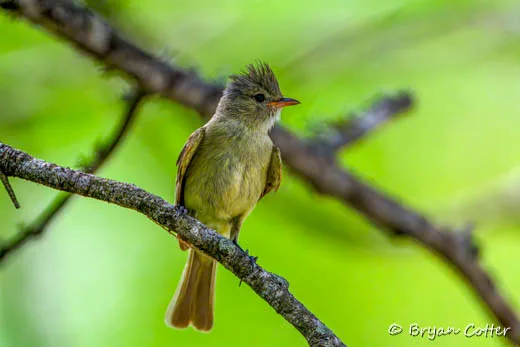 Northern Beardless-Tyrannulet
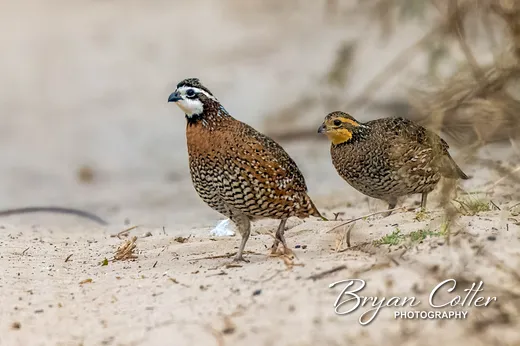 Northern Bobwhite
 Northern Cardinal
 Northern Harrier
 Northern House Wren
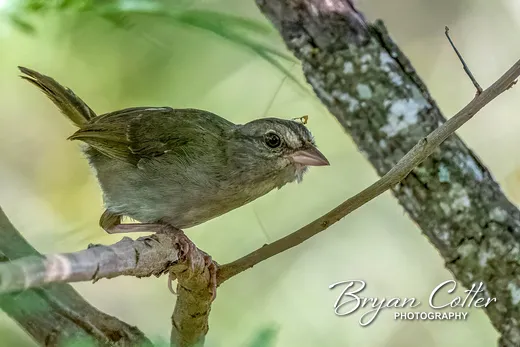 Olive Sparrow
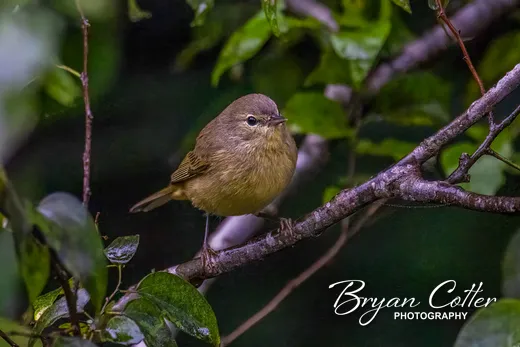 Orange-crowned Warbler
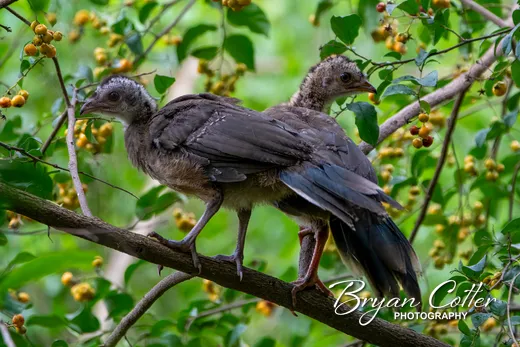 Plain Chachalaca
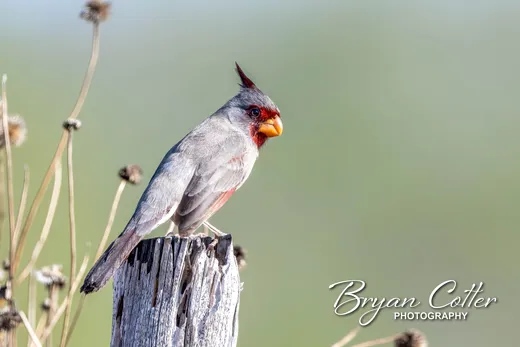 Pyrrhuloxia
 Red-breasted Nuthatch
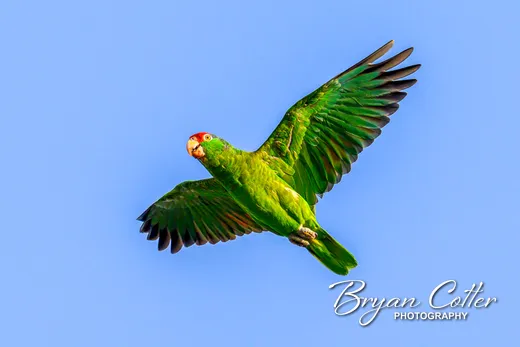 Red-crowned Parrot
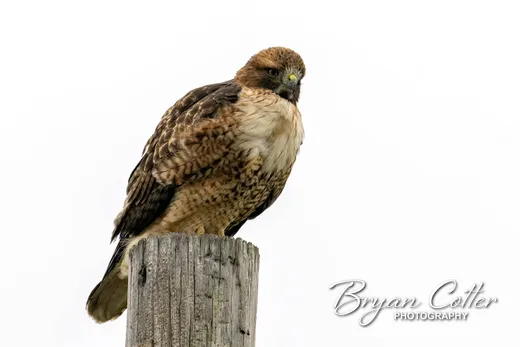 Red-tailed Hawk
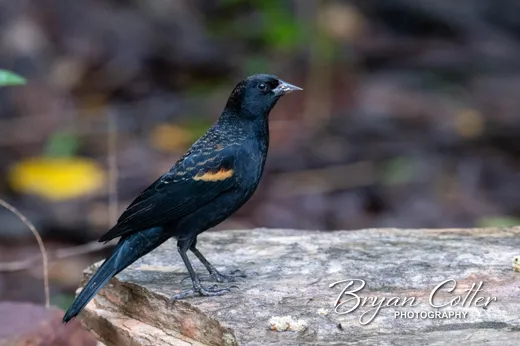 Red-winged Blackbird
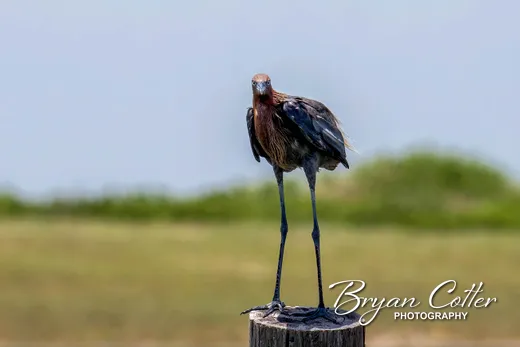 Reddish Egret
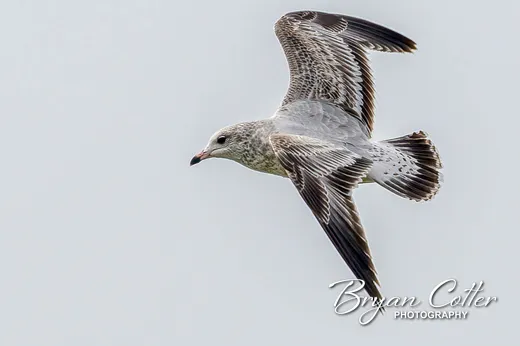 Ring-billed Gull
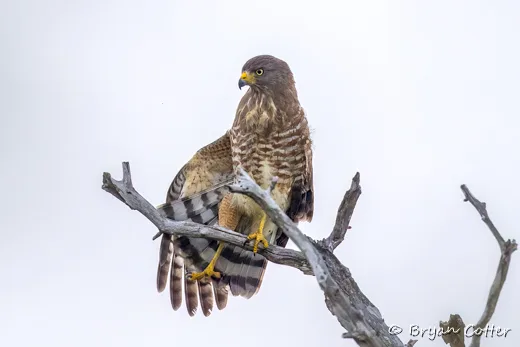 Roadside Hawk
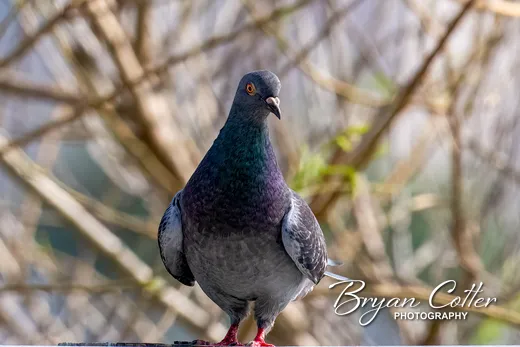 Rock Pigeon
 Roseate Spoonbill
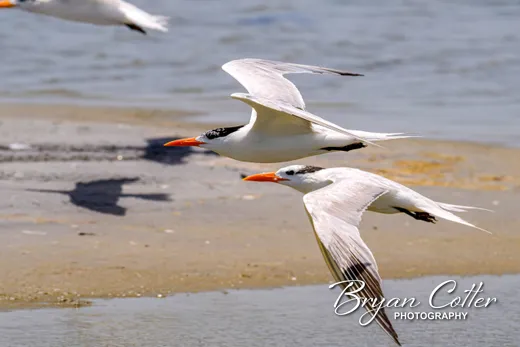 Royal Tern
 Ruby-crowned Kinglet
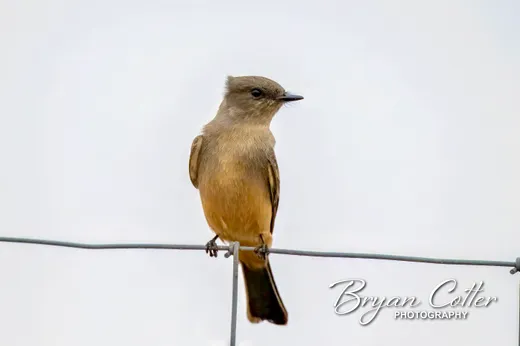 Say's Phoebe
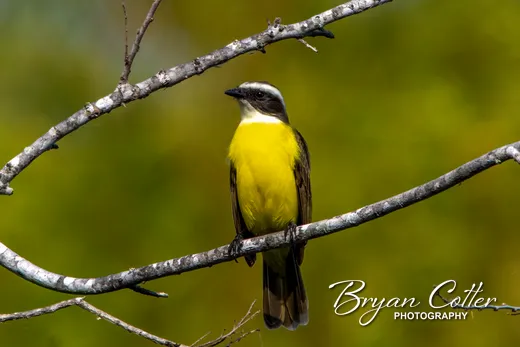 Social Flycatcher
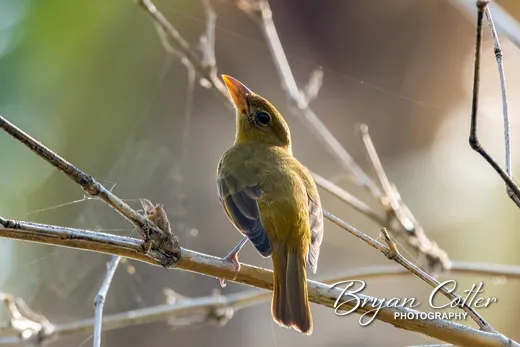 Summer Tanager
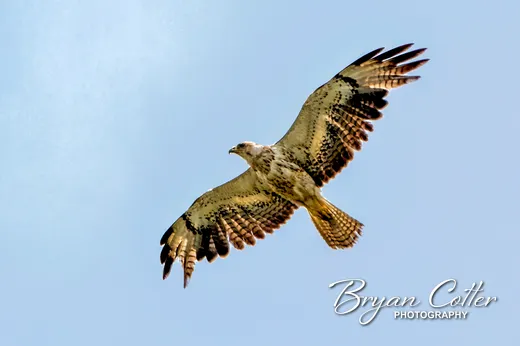 Swainson's Hawk
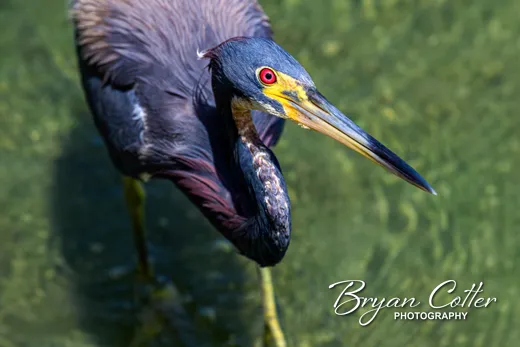 Tricolored Heron
 Tropical Kingbird
 Tropical Parula
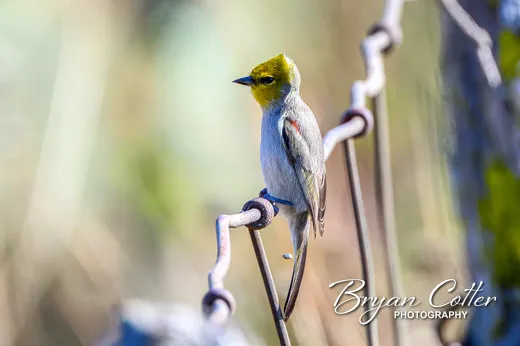 Verdin
 Vesper Sparrow
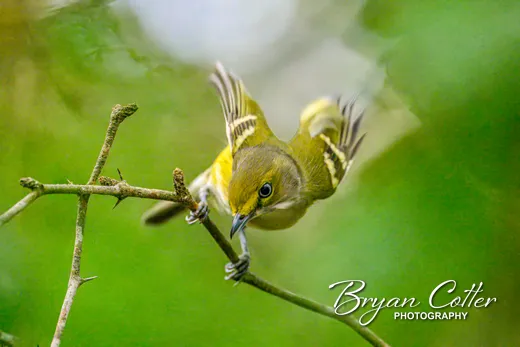 White-eyed Vireo
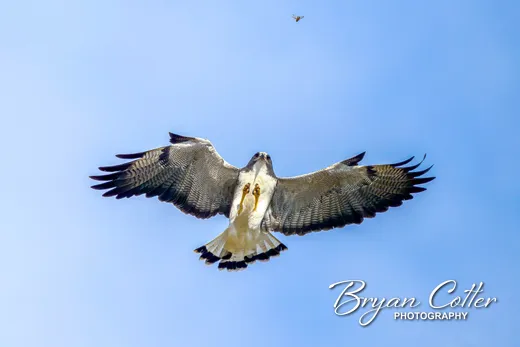 White-tailed Hawk
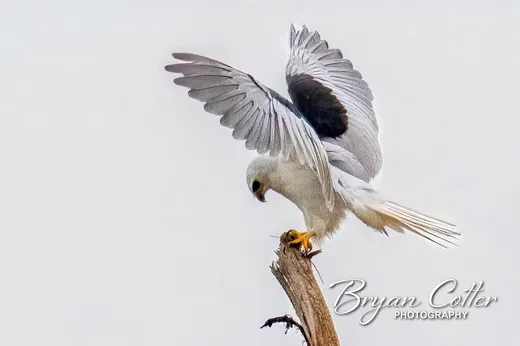 White-tailed Kite
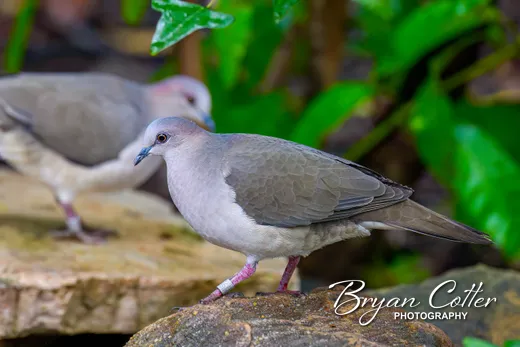 White-tipped Dove
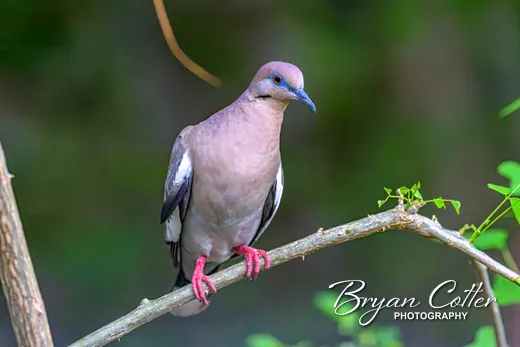 White-winged Dove
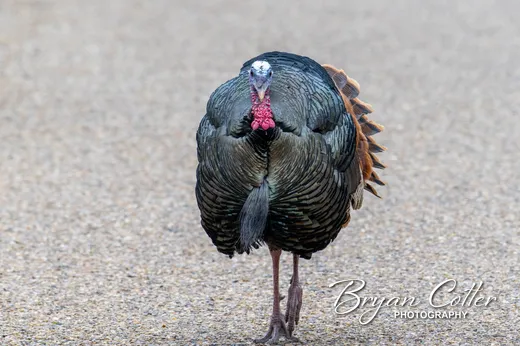 Wild Turkey
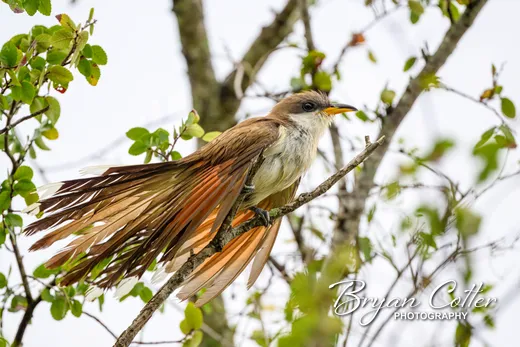 Yellow-billed Cuckoo
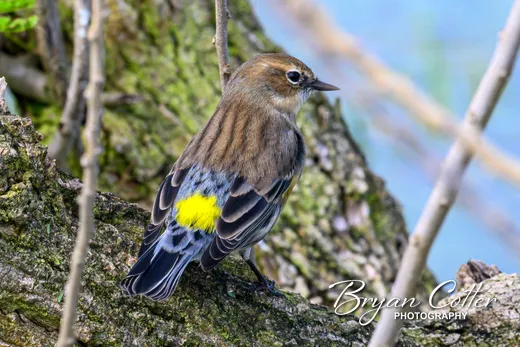 Yellow-rumped Warbler
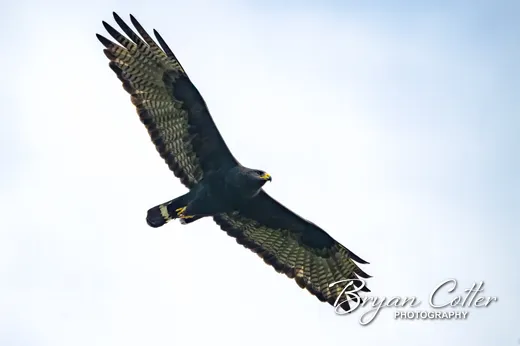 Zone-tailed Hawk
Other Wildlife in Rio Grande Valley 40 species
 Blue Crab
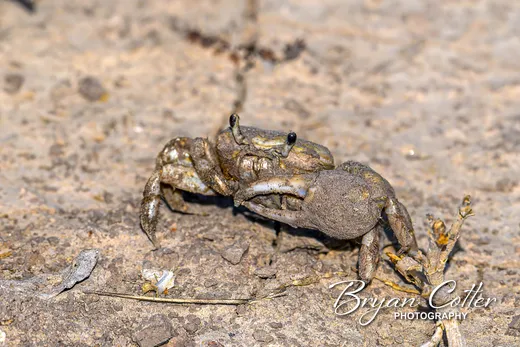 Fiddler Crab
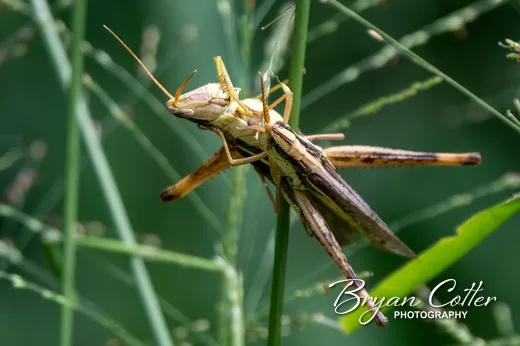 American Bird Grasshopper
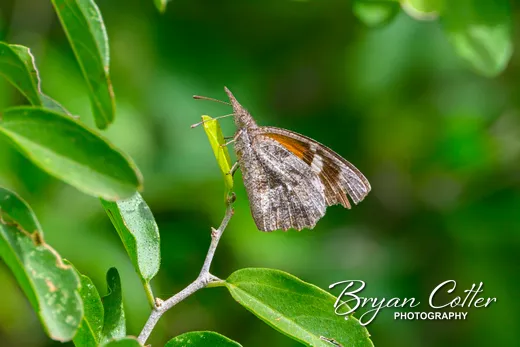 American Snout Butterfly
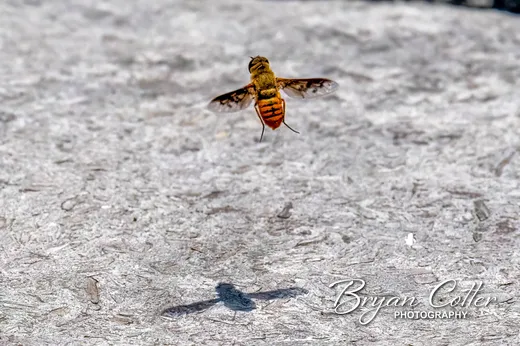 Bee Fly
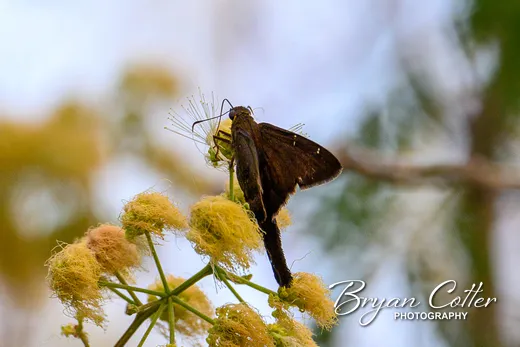 Brown Longtail
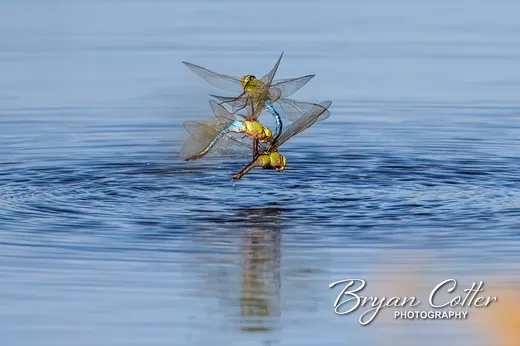 Common Green Darner
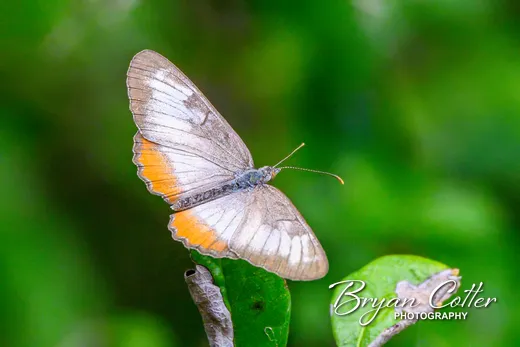 Common Mestra
 Empress Leilia
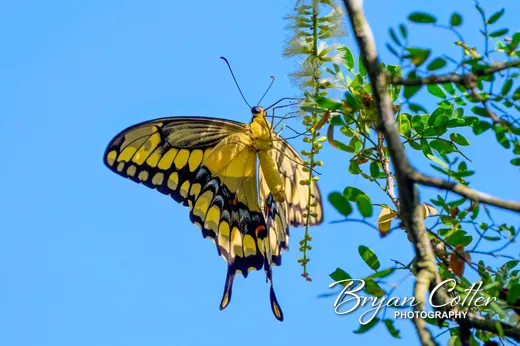 Giant Swallowtail
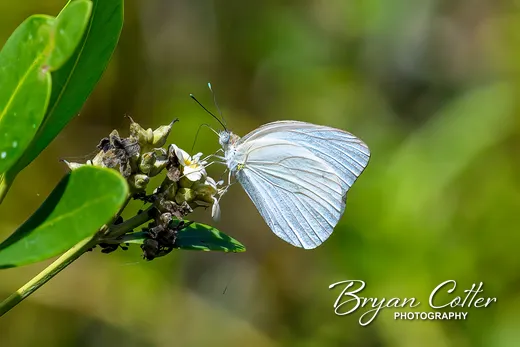 Great Southern White
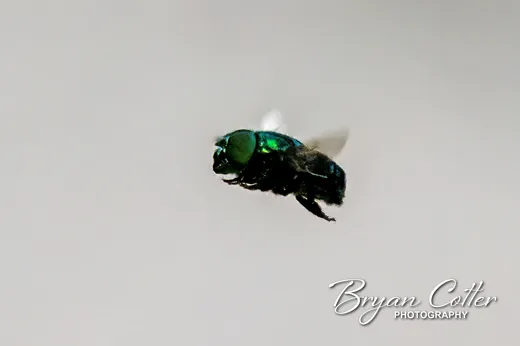 Green Jewel Fly
 Hairy Panther Ant
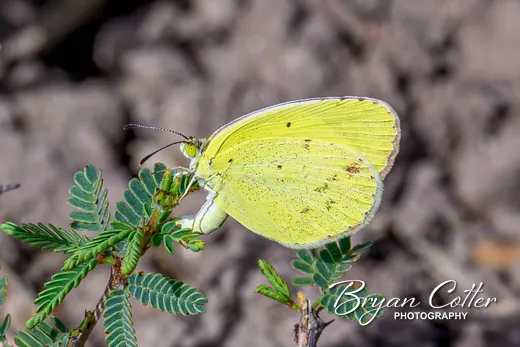 Mimosa Yellow
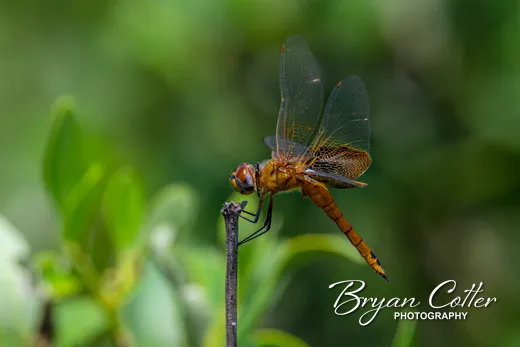 Needham's Skimmer
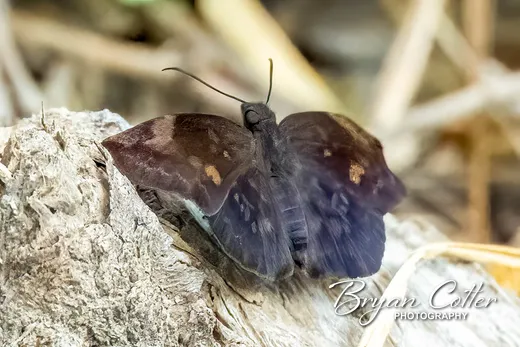 Northern Sicklewing
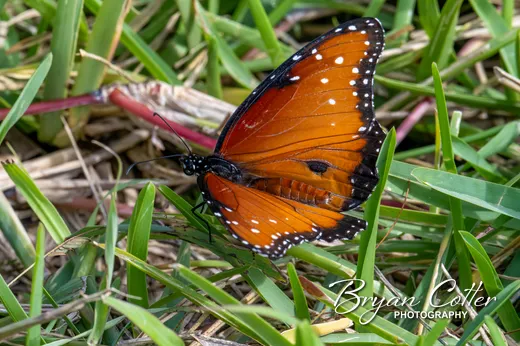 Queen Butterfly
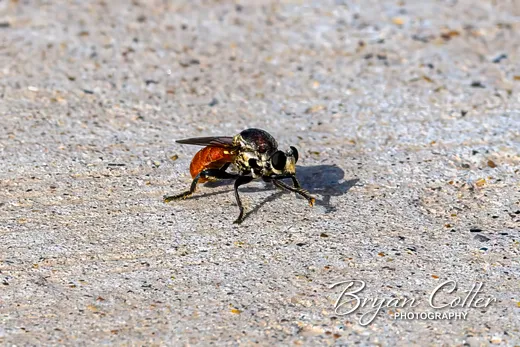 Saropogon Robber Fly
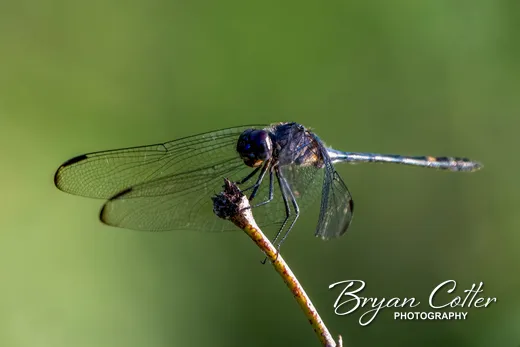 Swift Setwing Dragonfly
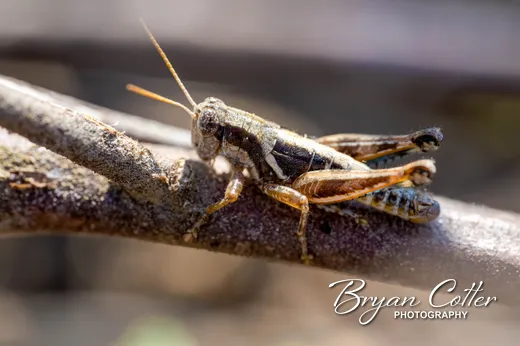 Thistle Grasshopper
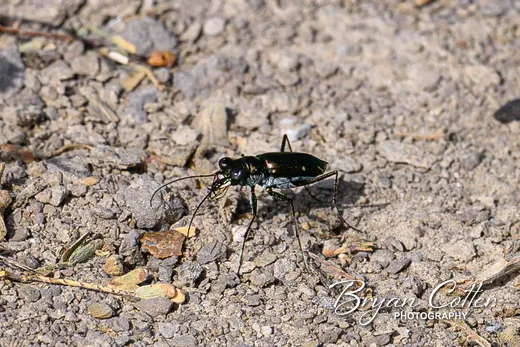 Tiger Beetle
 White Peacock
 Woodlouse
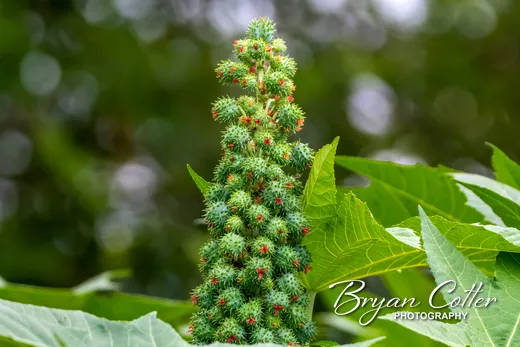 Castor Oil Plant Seeds
 Mexican Olive
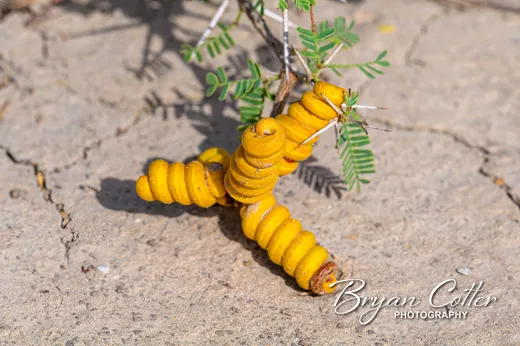 Screwbean Mesquite
 Yellowbells
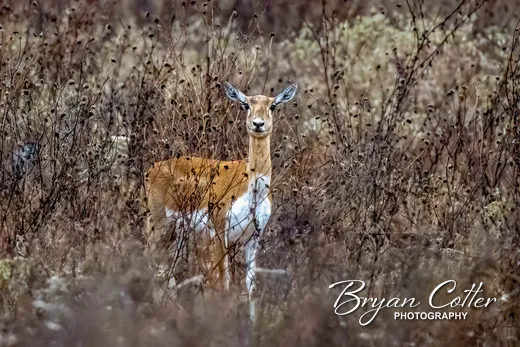 Blackbuck
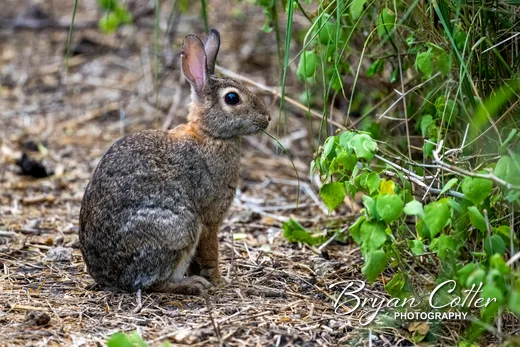 Cottontail Rabbit
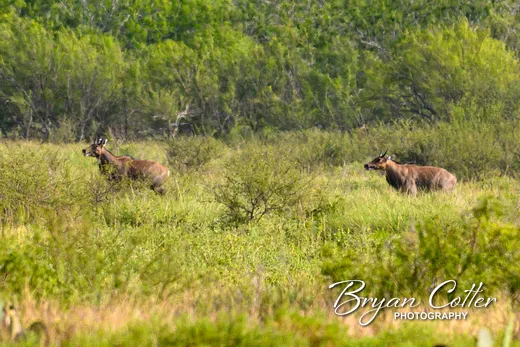 Nilgai
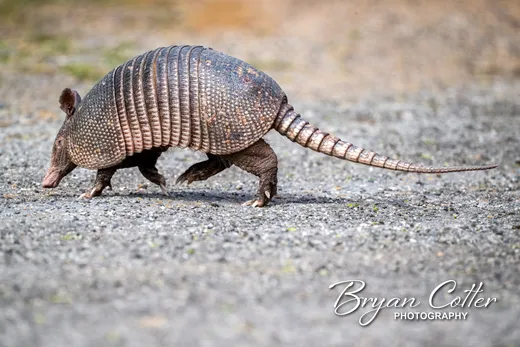 Nine-banded Armadillo
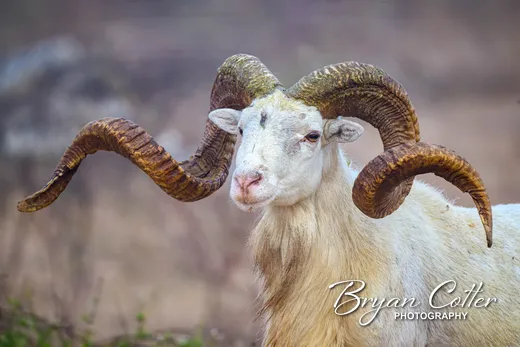 Texas Dall
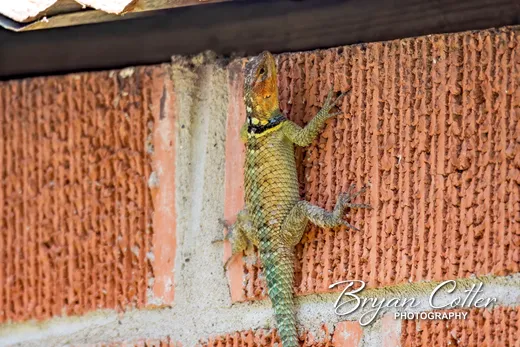 Blue Spiny Lizard
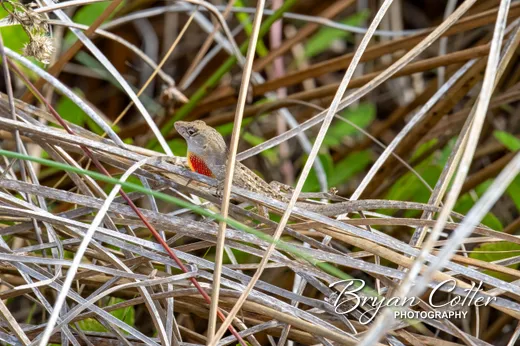 Brown Anole
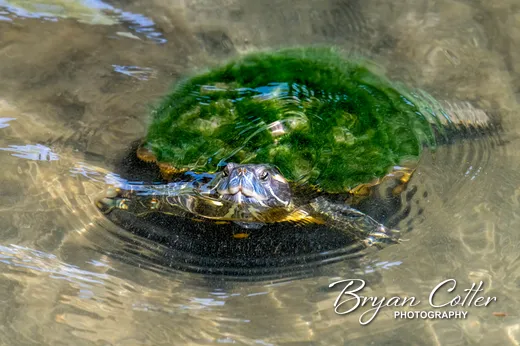 Red-eared Slider
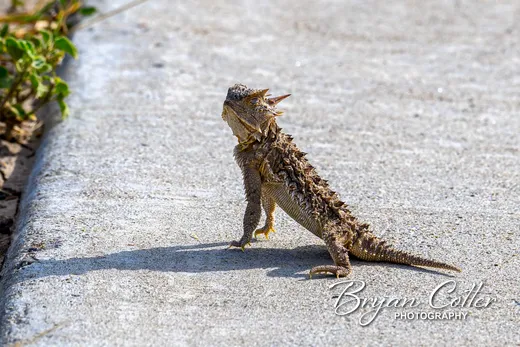 Texas Horned Lizard
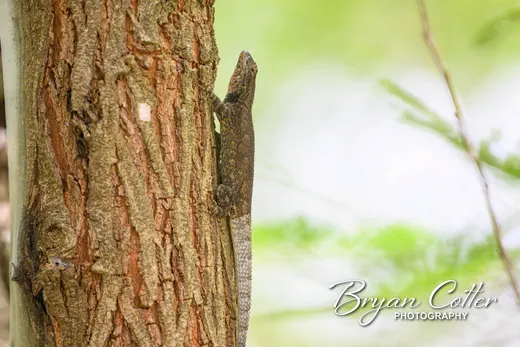 Texas Spiny Lizard
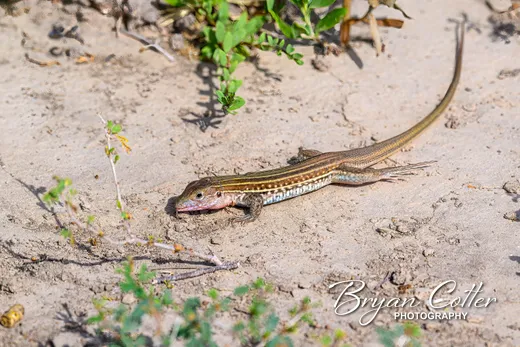 Texas Spotted Whiptail
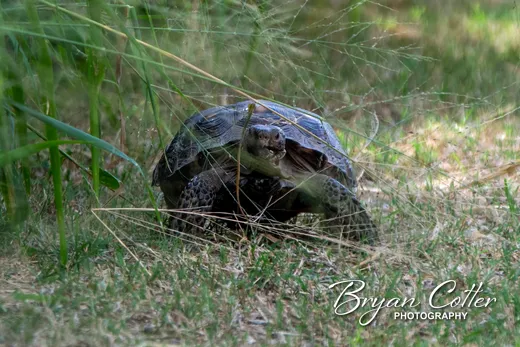 Texas Tortoise
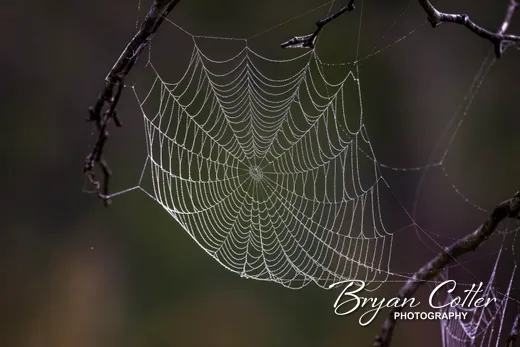 Spider Web
Birding Locations in Rio Grande Valley See all birds photographed here →
Bentsen-Rio Grande Valley State Park
One of my favorite places in the valley because I believe it has the most variety of birds and probably the best chance at the rarest of birds.
National Butterfly Center
The NBC is a 100-acre nature preserve with cultivated gardens and wildscape, navigable through woodland and savannah trails. This ever-changing landscape is a work in progress. Once an onion field in commercial production, this area is being restored to native habitat to support wildlife.
Santa Ana National Wildlife Refuge
The Santa Ana National Wildlife Refuge is a 2,088-acre "jewel" of the refuge system located in Alamo, Texas. Established in 1943, it sits at the intersection of major migratory flyways, protecting native subtropical woodlands. It is internationally renowned for birdwatching and features over 400 bird species and 300 butterfly varieties.
© 2026 Bryan Cotter Photography privacy policy terms of use site by cotter designs