Guadalupe Mountains Hotspots
The Guadalupe Mountains hold the highest peaks in Texas, and their canyons and wooded high country create an island of habitat above the surrounding desert. Sheltered canyons like McKittrick funnel migrants and shelter montane species, while the desert flats below add their own dry-country birds. Trails into the canyon and the springs around the base concentrate birds wherever there's shade and water, and in fall the canyon's famous foliage adds color to every frame. The dramatic terrain makes for memorable photography in every direction.
Birds to look for: Migrants through the canyons, montane songbirds, and Chihuahuan Desert species along the lower slopes.
Best time to visit: Spring and fall migration; late summer and fall for canyon activity.
Birds I’ve Photographed in Guadalupe Mountains 20 species · see them in the gallery →
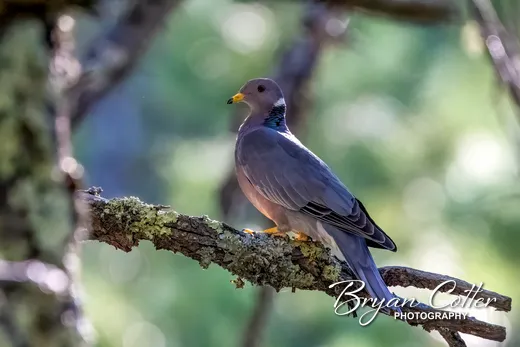 Band-tailed Pigeon
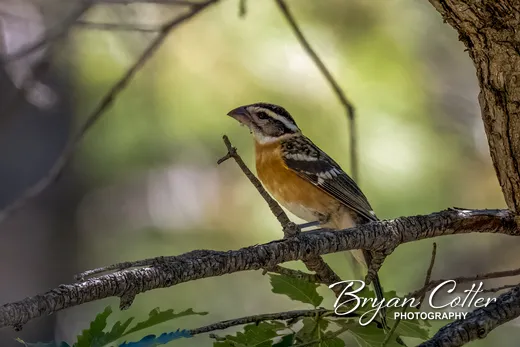 Black-headed Grosbeak
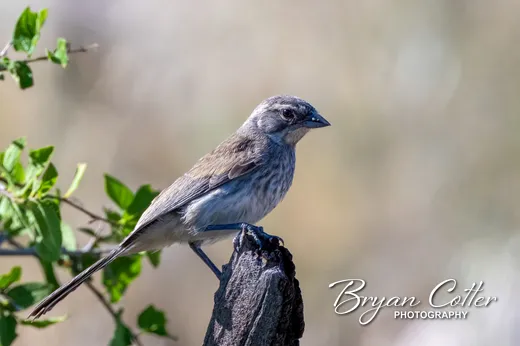 Black-throated Sparrow
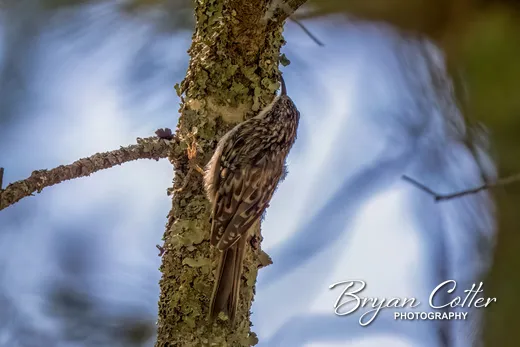 Brown Creeper
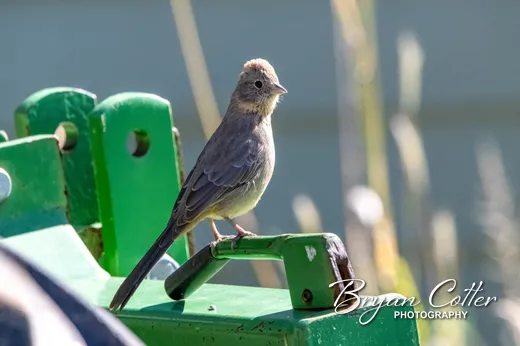 Canyon Towhee
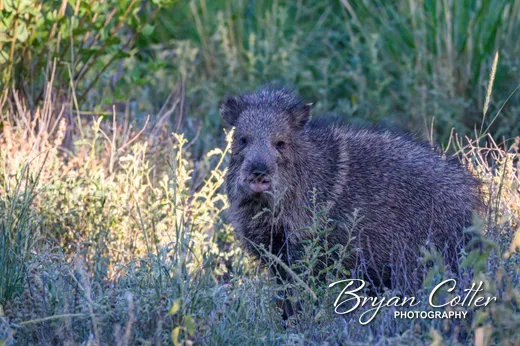 Common Poorwill
 Dark-eyed Junco
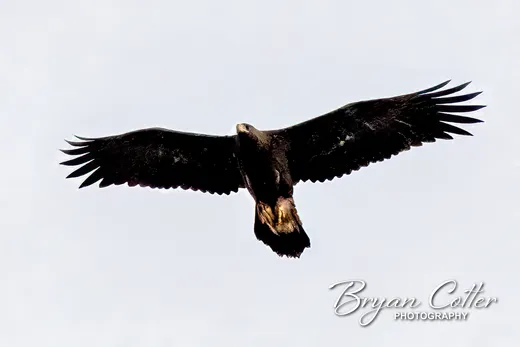 Golden Eagle
 Grace's Warbler
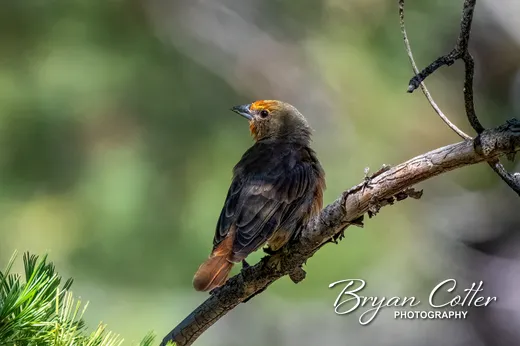 Hepatic Tanager
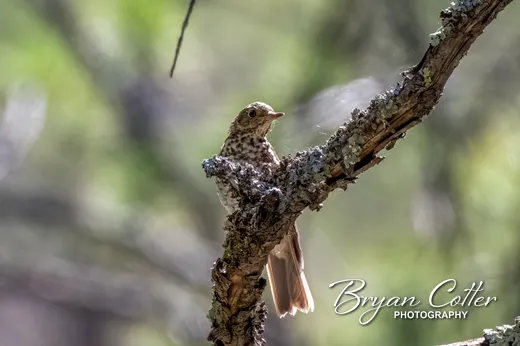 Hermit Thrush
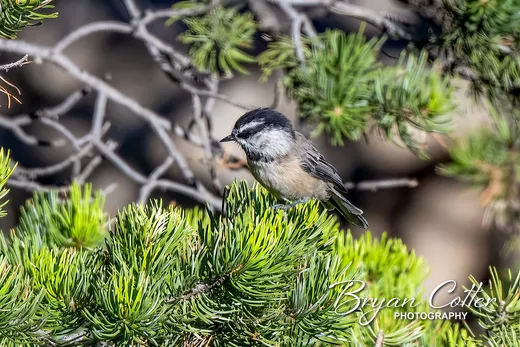 Mountain Chickadee
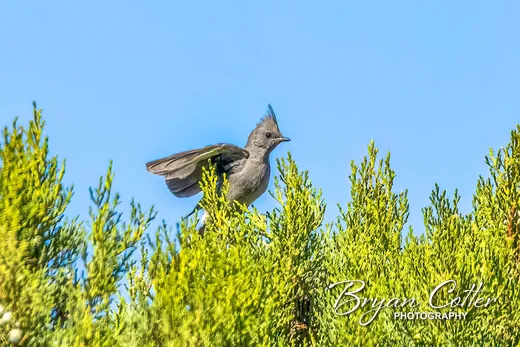 Phainopepla
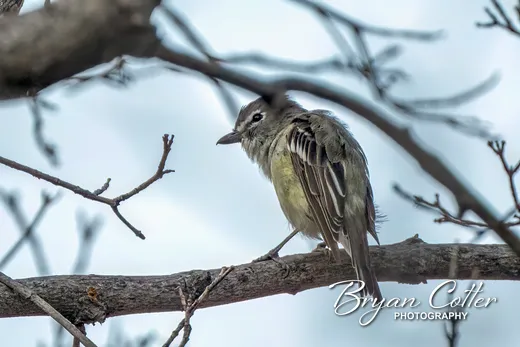 Plumbeous Vireo
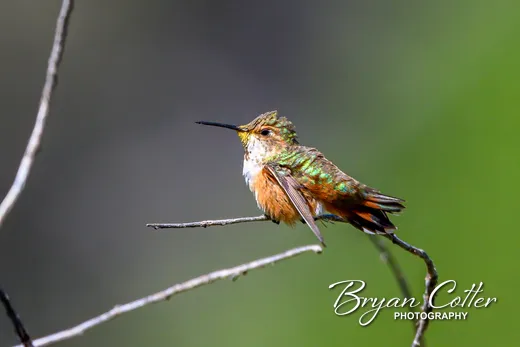 Rufous Hummingbird
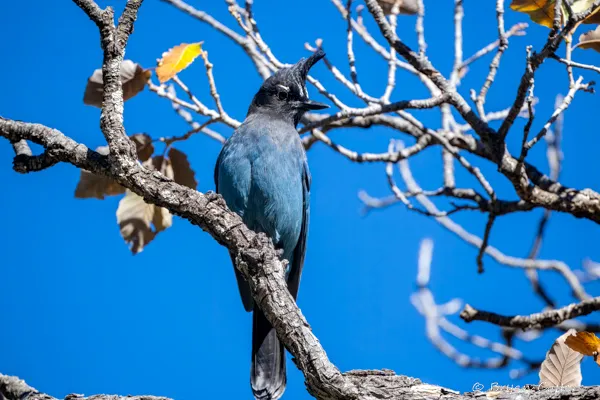 Steller's Jay
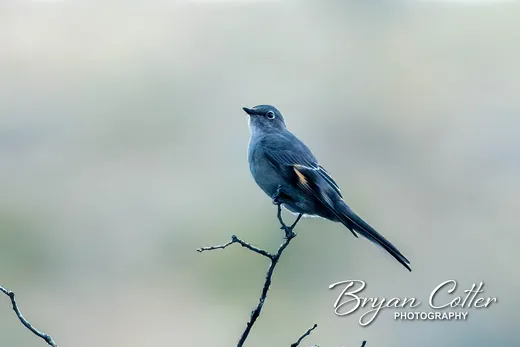 Townsend's Solitaire
 Virginia's Warbler
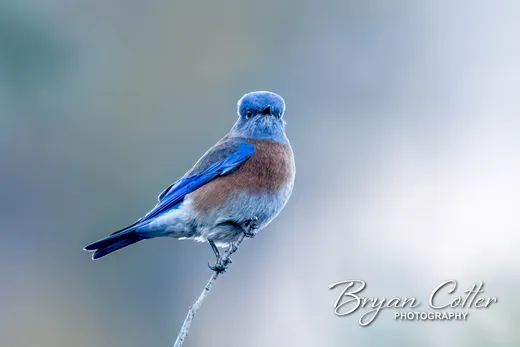 Western Bluebird
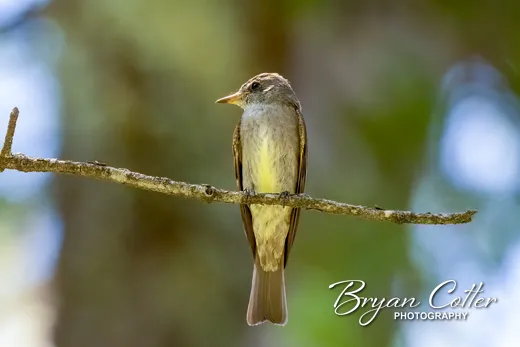 Western Wood-Pewee
Other Wildlife in Guadalupe Mountains 10 species
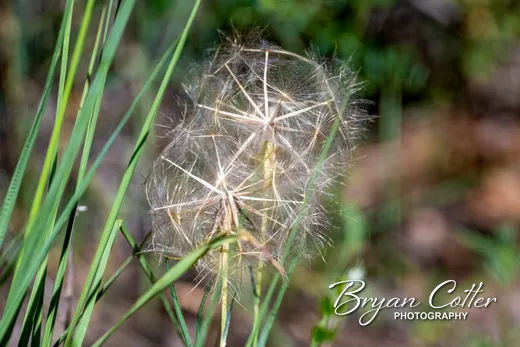 Goatsbeard
 Prickly Pear Cactus
 Ragwort
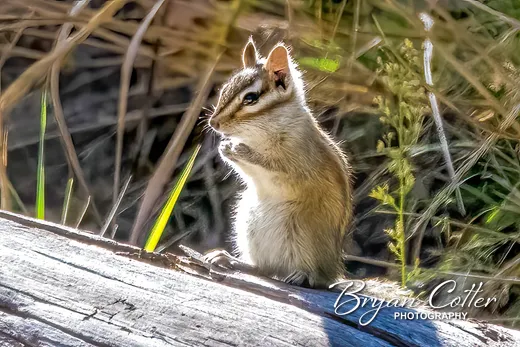 Gray-footed Chipmunk
 Mule Deer
 Black-tailed Rattlesnake
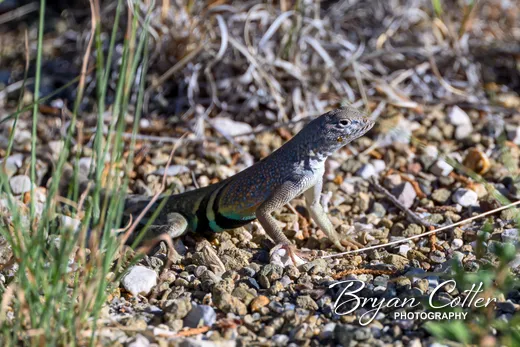 Greater Earless Lizard
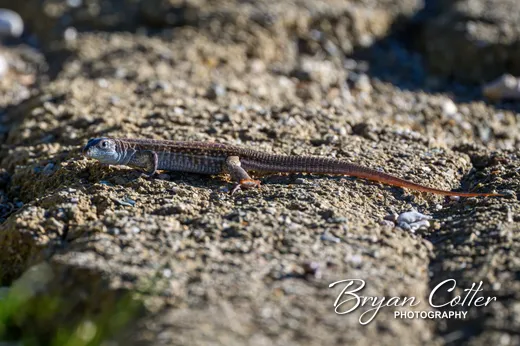 Texas Spotted Whiptail
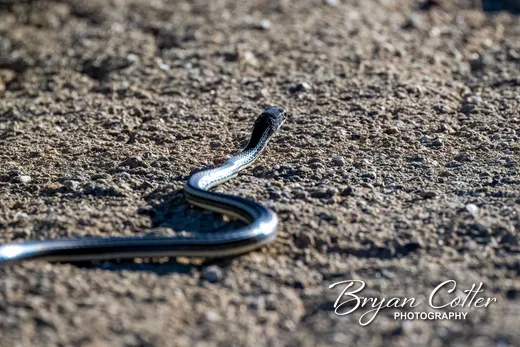 Western Ribbon Snake
 Full Moon
Birding Locations in Guadalupe Mountains See all birds photographed here →
Dog Canyon
Dog Canyon is a secluded, forested canyon at 6,300 feet on the remote northern edge of Guadalupe Mountains National Park. Accessible via New Mexico, it offers a peaceful escape with a small campground, scenic shaded trails, and faster wilderness access than the park’s main southern entrance.
© 2026 Bryan Cotter Photography privacy policy terms of use site by cotter designs